
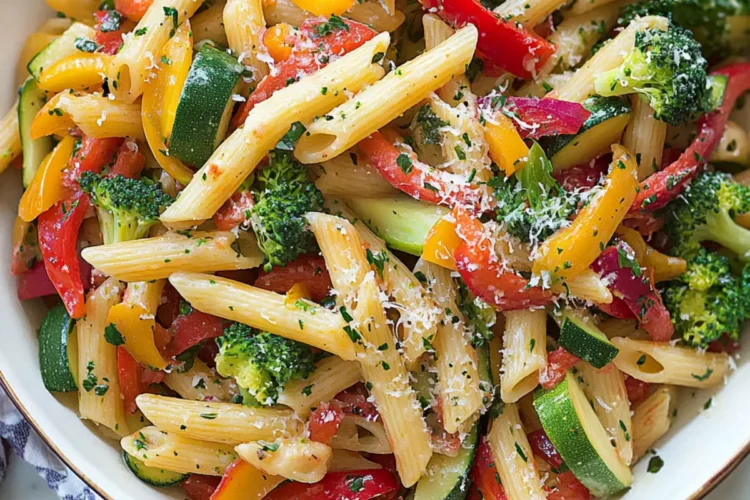
Every time I whip up a plate of Pasta Primavera, I’m reminded how a simple melody of vegetables can transform an ordinary meal into a joyful celebration. This delightful dish is not just a feast for the eyes—it’s a blend of vibrant, fresh vegetables tossed with perfectly cooked penne pasta, all coming together in a symphony of flavors, including aromatic garlic, zesty lemon, and a sprinkle of parmesan. What I love the most about this Pasta Primavera recipe is its incredible versatility; it allows me to make use of whatever seasonal veggies I have on hand, making it a true year-round staple. Plus, it’s a healthy choice that doesn’t sacrifice flavor. Are you ready to dive into a bowl of garden-fresh goodness? Let’s explore how to make this colorful, veggie-packed dish your next go-to meal!
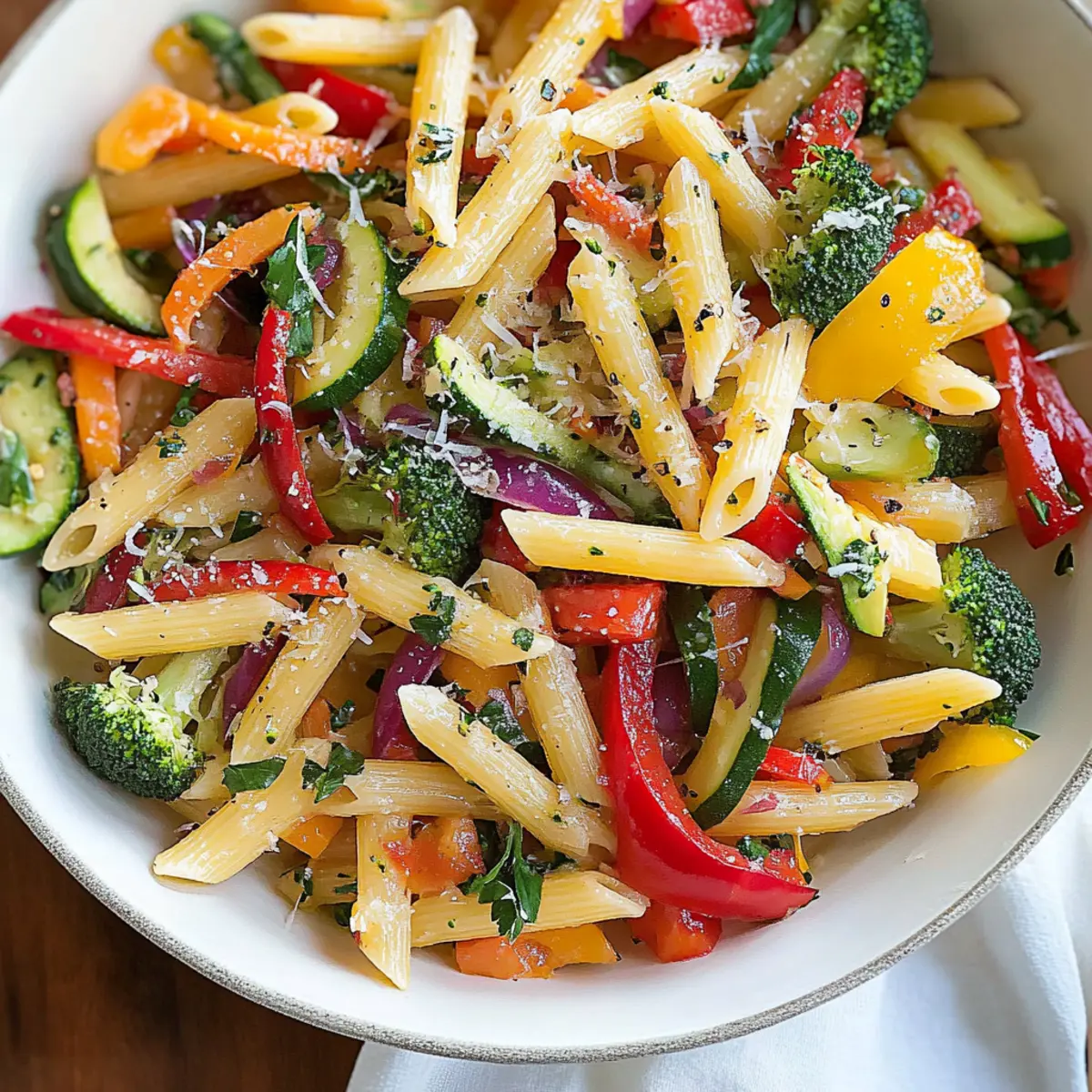
Why is Pasta Primavera a Must-Try?
Vibrant Colors: The stunning array of veggies makes this dish a feast for the eyes, perfect for impressing guests.
Fresh & Healthy: Packed with nutrients, this recipe aligns beautifully with a healthy Mediterranean diet, ensuring your meal is guilt-free.
Endless Flexibility: You can easily swap vegetables based on what’s in season or what’s in your fridge, making it a versatile option for any day.
Quick & Easy Prep: This dish comes together in about 30 minutes, perfect for busy weeknight dinners without the fast-food hassle.
Crowd Pleaser: Whether you’re serving family or friends, the delightful flavors and textures will have everyone asking for seconds!
If you’re looking for more ways to embrace fresh flavors, consider pairing it with a side of Cottage Cheese Pasta or try enhancing your sauce with a rich White Bolognese Sauce.
Pasta Primavera Ingredients
• Gather your flavorful essentials to craft this vibrant dish!
For the Pasta
- Dry Barilla Penne Pasta – Forms the hearty base of your Pasta Primavera; feel free to use farfalle or fusilli for a different shape.
- Salt – Enhances the pasta flavor; adjust according to preference.
For the Vegetables
- Olive Oil – Adds a healthy fat and distinct flavor; avocado oil is a great substitute.
- Red Onion (1/2 medium, sliced) – Offers a nice sweetness; you can swap it for yellow onion if preferred.
- Carrot (1 large, sliced into matchsticks) – Brings natural sweetness and crunch; bell pepper or parsnip works too!
- Broccoli Florets (2 cups, cut into matchsticks) – Packed with nutrients and color; try asparagus or green beans for a change.
- Red Bell Pepper (1 medium, sliced into matchsticks) – Adds a lovely sweetness and texture; any bell pepper variety will do.
- Yellow Squash (1 medium, sliced into quarter portions) – Provides additional nutrients; zucchini is a fantastic alternative.
- Zucchini (1 medium, sliced into quarter portions) – Adds moisture and subtle flavor; eggplant or cauliflower also work well.
- Garlic Cloves (3-4, minced) – Infuses aromatic goodness; shallots can be substituted for a milder taste.
- Grape Tomatoes (1 cup, halved) – Contributes a fresh burst of sweetness; feel free to use cherry tomatoes or drained canned tomatoes.
- Dried Italian Seasoning (2 tsp) – Elevates the flavor profile; fresh herbs like basil or oregano can replace for a warmer taste.
For the Finishing Touch
- Fresh Lemon Juice (2 Tbsp) – Brightens the entire dish; white wine vinegar is a valid substitute.
- Shredded Parmesan (1/2 cup, divided) – Adds richness; you can opt for pecorino or nutritional yeast for a vegan twist.
- Chopped Fresh Parsley (2 Tbsp) – A fresh garnish to finish; swap with basil or cilantro for different flavors.
Embrace the joy of cooking with this Pasta Primavera recipe, where fresh ingredients help you create a hearty, flavorful meal that everyone will love!
Step‑by‑Step Instructions for Pasta Primavera
Step 1: Boil the Pasta
Begin by bringing a large pot of salted water to a rolling boil over high heat. Add the dry Barilla penne pasta and cook according to the package directions, usually about 10–12 minutes, until al dente. Once cooked, reserve 1/2 cup of the starchy pasta water for later use, then drain the pasta and set it aside in a large mixing bowl.
Step 2: Heat the Skillet
In a deep skillet, heat 2 tablespoons of olive oil over medium-high heat until shimmering, about 1–2 minutes. The oil should be hot enough to sizzle when vegetables hit the pan. This will ensure a sautéed finish, preventing any sogginess, and enhancing the flavors in your vibrant Pasta Primavera.
Step 3: Sauté Onions and Carrots
Add the sliced red onion and matchstick-cut carrot to the skillet. Sauté the mixture for about 2 minutes, stirring frequently, until the vegetables start to soften and the onion turns translucent. This step builds a sweet base that complements the other fresh ingredients you’ll add shortly.
Step 4: Add Broccoli and Bell Pepper
Next, introduce the broccoli florets and sliced red bell pepper to the skillet. Continue sautéing for another 2 minutes until the broccoli is bright green and tender-crisp. The colorful mix at this stage already promises a delightful Pasta Primavera, and you can smell the flavors melding together.
Step 5: Incorporate Squash and Zucchini
Stir in the quartered yellow squash and zucchini. Cook everything for 2–3 minutes, allowing the vegetables to soften slightly while retaining some crunch. This is the point to stir well, ensuring even cooking and allowing the delicious flavors to blend beautifully in your dish.
Step 6: Add Garlic, Tomatoes, and Seasoning
Introduce the minced garlic, halved grape tomatoes, and dried Italian seasoning to the pan. Sauté for an additional 2 minutes, stirring often. You’ll know this step is ready when the garlic releases its aromatic fragrance without browning, supporting the fresh theme of your Pasta Primavera.
Step 7: Combine Pasta and Vegetables
Carefully combine the sautéed vegetable mix with the drained penne pasta in the large mixing bowl. Drizzle fresh lemon juice and gradually add the reserved pasta water to achieve your desired sauce consistency. Toss everything together gently until the pasta is coated in the vibrant flavors of your Pasta Primavera.
Step 8: Finish with Cheese and Parsley
Finally, fold in the shredded Parmesan and chopped fresh parsley, mixing until well combined and melting flavors marry. Plate the colorful Pasta Primavera, and feel free to sprinkle additional Parmesan on top for an extra touch of richness. Serve warm and enjoy the delightful burst of flavors!
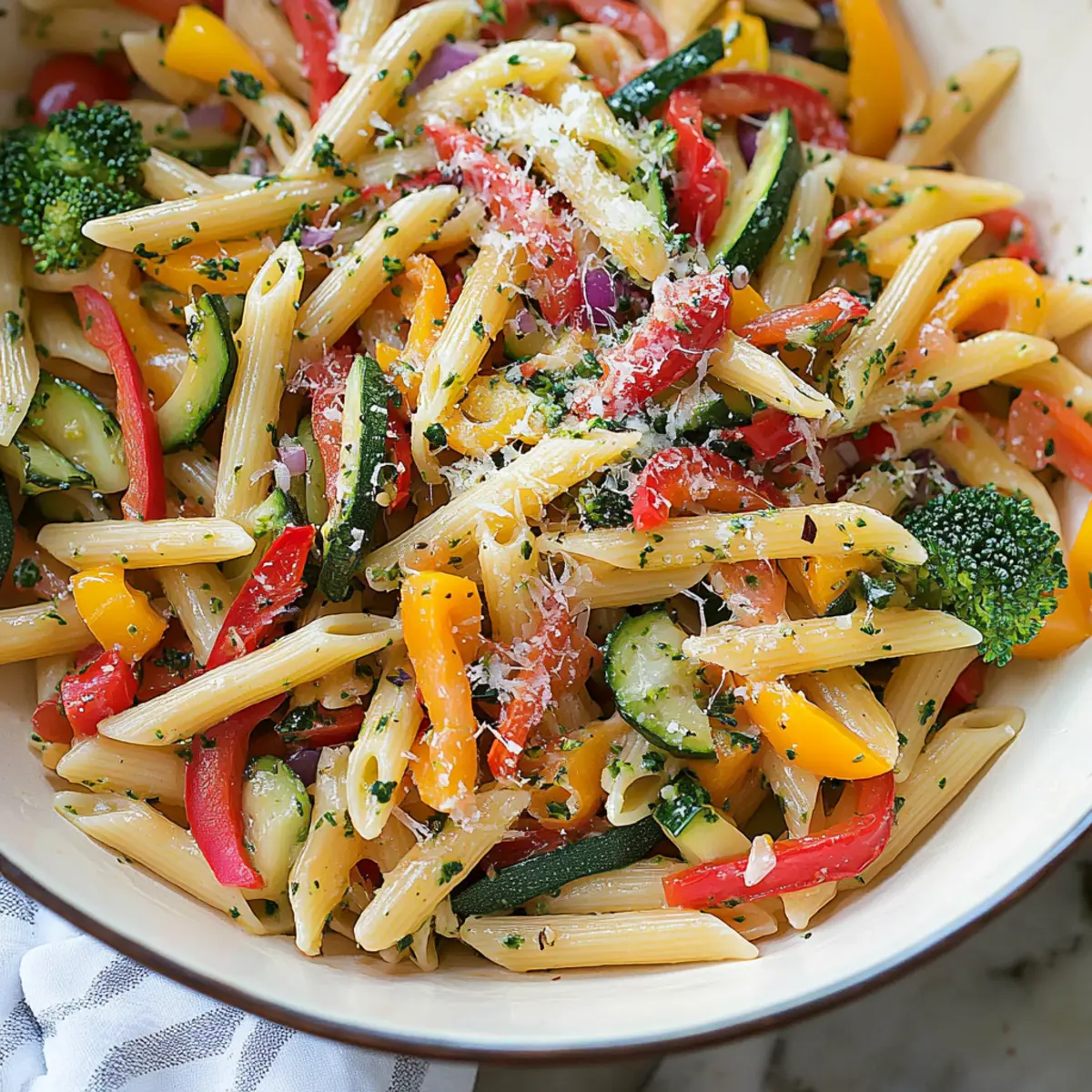
Pasta Primavera Variations & Substitutions
Embrace your inner chef and make this Pasta Primavera uniquely yours with these delightful tweaks and substitutions!
- Dairy-Free: Use nutritional yeast instead of Parmesan for a cheesy flavor without the dairy.
- Protein Boost: Add grilled chicken or sautéed shrimp for a hearty twist perfect for a fulfilling meal.
- Seasonal Veggies: Swap out for seasonal favorites like asparagus, pea pods, or butternut squash for added variety and freshness.
- Spicy Kick: Introduce red pepper flakes or a dash of cayenne pepper for those who enjoy a bit of heat with their veggies.
- Whole Grain: Substitute your pasta with whole-grain penne or even zoodles for a healthier, fiber-rich dish.
- Flavor Pops: Toss in fresh herbs like basil or mint just before serving for an aromatic explosion that brightens every bite.
- Root Veggies: In the fall, consider adding roasted root vegetables like sweet potatoes or turnips for a delicious change of pace.
- Extra Crunch: Top with toasted pine nuts or sunflower seeds to bring in delightful texture that contrasts with the tender pasta and veggies.
Feel free to mix and match these suggestions to create your perfect plate of Pasta Primavera! If you’re also looking for a delicious way to add creaminess without dairy, check out my Cottage Cheese Pasta for more inspiration, or elevate the sauce with the delightful White Bolognese Sauce that pairs perfectly with a veggie-packed dish!
What to Serve with Pasta Primavera
Gather around the table for a delightful feast, where vibrant flavors mingle with comforting textures, creating a meal that warms the heart.
- Garlic Bread: The crunch and buttery flavor of garlic bread offer a perfect contrast to the light pasta, making each bite extraordinary.
- Caesar Salad: This crisp green side adds a refreshing crunch that complements the colorful veggies, melding perfectly with the zest of lemon.
- Grilled Chicken: Tender grilled chicken provides a protein-packed addition and smokiness that elevates the medley of fresh flavors in the primavera.
- Roasted Vegetables: Seasoned roasted veggies bring a deeper flavor and texture that harmonizes with the bright notes of your pasta dish.
- Lemon Sorbet: A light and zesty sorbet acts as a palate cleanser, keeping the meal refreshing and uplifting, leaving a sweet finish.
- Sparkling Water: Refreshing and effervescent, sparkling water enhances the meal’s brightness and pairs excellently with the lively flavors of your dish.
- Caprese Skewers: These fresh mozzarella and tomato skewers add a delightful burst of flavors and colors, making them an appealing appetizer option.
- Prosecco: This light and bubbly wine introduces a celebratory flair, perfectly balancing the dish’s creaminess with its refreshing notes.
- Herbed Quinoa: Nutty quinoa cooked with fresh herbs offers a unique texture and flavor, making it an excellent accompaniment to the pasta.
- Chocolate Mousse: A rich and decadent dessert counterbalances your vibrant primavera perfectly, providing a sweet ending to a delightful meal.
How to Store and Freeze Pasta Primavera
- Fridge: Store leftover Pasta Primavera in an airtight container in the refrigerator for up to 3 days. This helps retain its delightful flavors and textures.
- Freezer: For longer storage, freeze the dish in a freezer-safe container for up to 3 months. It’s best to freeze without the cheese for optimal texture upon reheating.
- Reheating: Thaw overnight in the fridge, then reheat in a skillet over low heat, adding a splash of broth or olive oil to revive the dish. Avoid reheating in the microwave for best results.
- Storing Ingredients: If prepping ahead, store chopped veggies separately from the cooked pasta to maintain their freshness and crunch until you’re ready to combine them in your delicious Pasta Primavera!
Make Ahead Options
These Pasta Primavera preparations are a game-changer for busy home cooks! You can chop and refrigerate your vegetables—like broccoli, bell pepper, and zucchini—for up to 3 days in advance, so everything is ready to go when you’re looking for a quick meal. Additionally, the pasta can be cooked and kept in an airtight container for up to 24 hours; just be sure to toss it with a little olive oil to prevent sticking. When you’re ready to serve, simply sauté the prepped veggies, combine with the reheated pasta, and finish with your lemon juice and Parmesan for vibrant flavors that are just as delicious as when freshly made!
Expert Tips for Pasta Primavera
-
Choose Fresh Veggies: Opt for seasonal or fresh vegetables to maximize flavor and nutrients in your Pasta Primavera. Always wash and chop them just before cooking.
-
Perfect Pasta Cook: Make sure to cook the pasta al dente, as it will continue to cook when mixed with the hot vegetables; this prevents mushiness.
-
Don’t Overcook Garlic: To avoid a bitter taste, sauté garlic just until fragrant and golden, but not browned. This keeps the dish bright and flavorful.
-
Adjust Sauce Consistency: Use reserved pasta water gradually to control the thickness of the sauce; this starchy water helps bind everything together beautifully.
-
Prep Ahead for Easy Meals: For convenience, chop veggies ahead of time and store them in the fridge. You can quickly sauté them when it’s time to cook.
-
Experiment with Add-Ins: Feel free to add proteins like shrimp or grilled chicken for a heartier Pasta Primavera, making it a delightful meal any day!
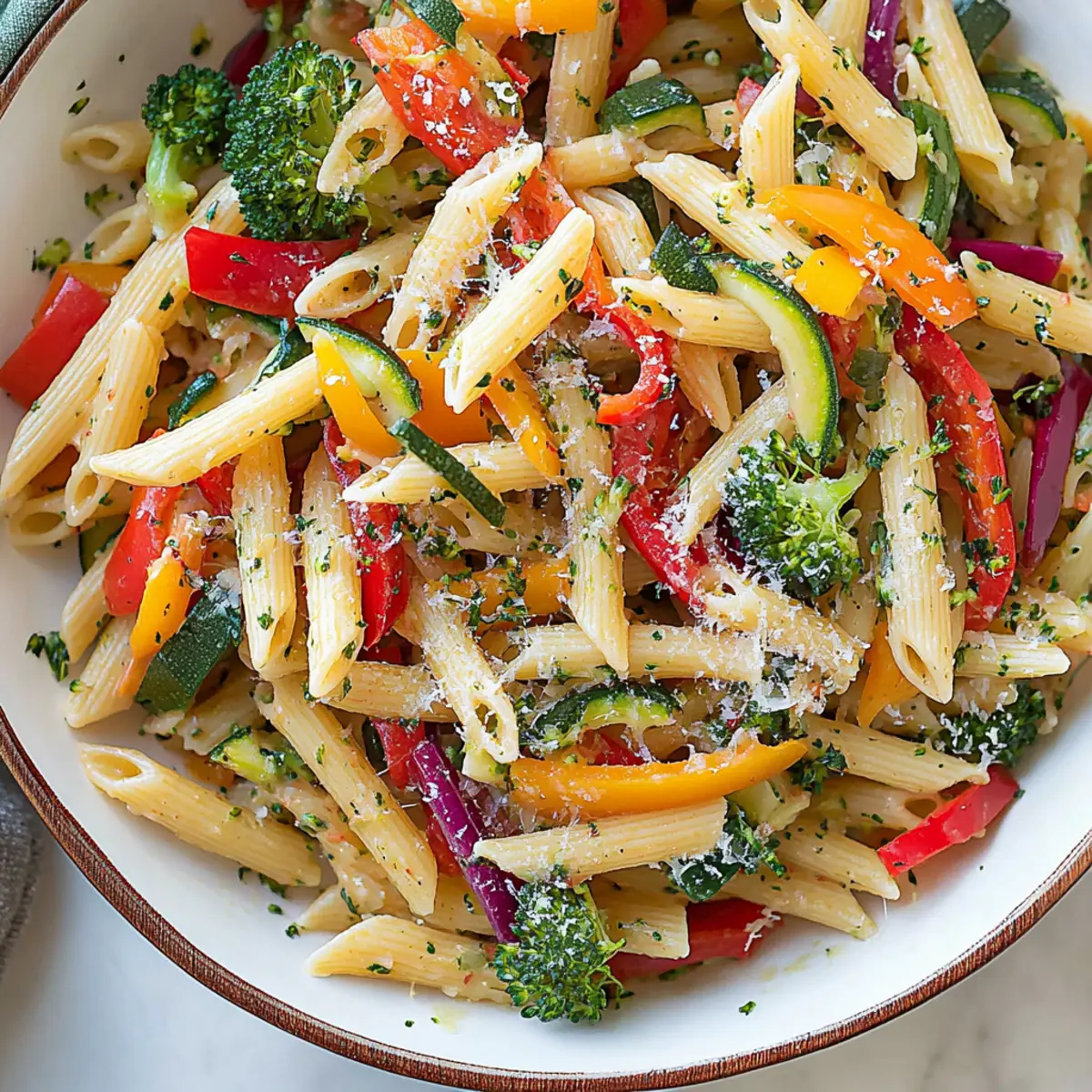
Pasta Primavera Recipe FAQs
What vegetables should I use for Pasta Primavera?
Absolutely! You can use any fresh, seasonal vegetables you have on hand. Popular choices include zucchini, bell peppers, broccoli, and carrots. Feel free to swap in asparagus, green beans, or even peas for a twist. The beauty of Pasta Primavera lies in its flexibility!
How do I store leftover Pasta Primavera?
Very well! Store any leftovers in an airtight container in the refrigerator for up to 3 days. This will help maintain the vibrant flavors and textures. When you’re ready to enjoy it again, simply reheat gently on the stovetop with a splash of olive oil or broth to keep it moist.
Can I freeze Pasta Primavera?
Yes, you can! To freeze Pasta Primavera, place the cooled dish in a freezer-safe container without the cheese to preserve the texture. It can last up to 3 months in the freezer. When you’re ready to eat it, thaw it overnight in the fridge, then reheat in a skillet over low heat. Add a touch of broth or olive oil for the best consistency!
What if my Pasta Primavera turns out too dry?
Don’t fret! If you find your Pasta Primavera is a bit dry, simply add more of the reserved pasta water or a drizzle of olive oil gradually while mixing to reach your desired consistency. This starchy water is a fantastic way to bind the flavors while keeping your dish moist.
Is Pasta Primavera a healthy meal?
Absolutely! Packed with colorful vegetables and olive oil, Pasta Primavera is rich in vitamins and aligns beautifully with the principles of a Mediterranean diet. If you are concerned about specific dietary needs, consider gluten-free pasta options, and feel free to incorporate proteins like grilled chicken or shrimp for added health benefits.
Can my pets eat Pasta Primavera?
It’s best to keep this dish away from pets. While the vegetables are okay in small quantities, ingredients like garlic and onions can be harmful to dogs and cats. Always check with your vet before sharing human food with your furry friends!
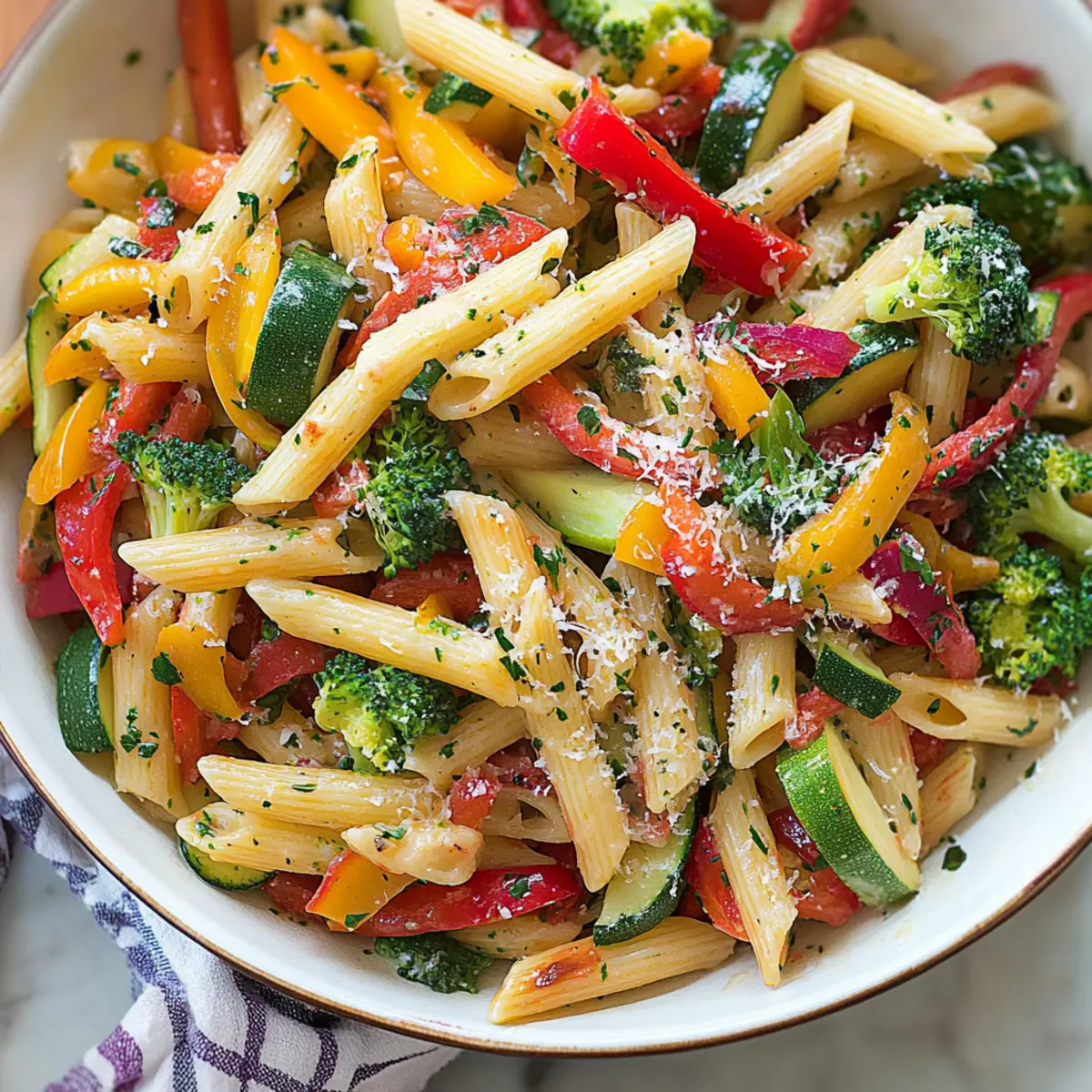
Pasta Primavera: A Fresh & Colorful Veggie Feast for Everyone
Ingredients
Equipment
Method
- Begin by bringing a large pot of salted water to a rolling boil over high heat. Add the dry Barilla penne pasta and cook according to the package directions, usually about 10–12 minutes, until al dente. Once cooked, reserve 1/2 cup of the starchy pasta water for later use, then drain the pasta and set it aside in a large mixing bowl.
- In a deep skillet, heat 2 tablespoons of olive oil over medium-high heat until shimmering, about 1–2 minutes. The oil should be hot enough to sizzle when vegetables hit the pan. This ensures a sautéed finish, enhancing flavors.
- Add the sliced red onion and matchstick-cut carrot to the skillet. Sauté for about 2 minutes, stirring frequently, until the vegetables start to soften and the onion turns translucent.
- Next, introduce the broccoli florets and sliced red bell pepper. Sauté for another 2 minutes until the broccoli is bright green and tender-crisp.
- Stir in the quartered yellow squash and zucchini, cooking for 2–3 minutes, allowing the vegetables to soften slightly while retaining some crunch.
- Introduce the minced garlic, halved grape tomatoes, and dried Italian seasoning to the pan. Sauté for another 2 minutes, stirring often, until the garlic is fragrant.
- Carefully combine the sautéed vegetable mix with the drained penne pasta in the large mixing bowl. Drizzle fresh lemon juice and gradually add the reserved pasta water to achieve your desired sauce consistency. Toss gently until everything is coated.
- Finally, fold in the shredded Parmesan and chopped fresh parsley, mixing until well combined. Plate the Pasta Primavera and serve warm, optionally sprinkling additional Parmesan on top.