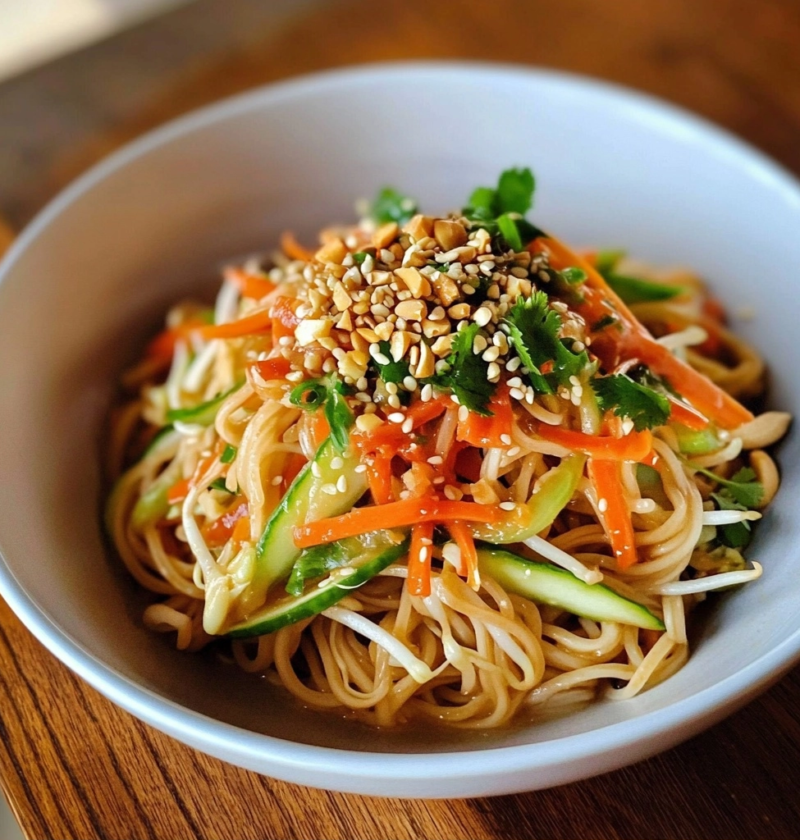
Cold Sesame Noodles offer a refreshing, savory, and nutty flavor profile perfect for hot summer evenings. This dish comes together in under thirty minutes using simple pantry staples to create a delicious meal quickly. You will appreciate the vibrant texture of fresh vegetables paired with chewy al dente noodles and the rich savory sauce. It serves as an excellent main course or a hearty side dish for picnics and potlucks.
| Detail | Information |
|---|---|
| Prep Time | 15 minutes |
| Cook Time | 10 minutes |
| Total Time | 25 minutes |
| Servings | 4 hungry adults |
| Difficulty | Easy |
| Cuisine | Asian Inspired |
| Category | Pasta and Noodles |
| Method | Boiled and Tossed |
Why This Recipe Works
This recipe works because the sauce is rich and creamy yet light enough to coat every strand of noodle without feeling heavy on a hot day. The balance of savory soy and sweet orange creates a harmony that appeals to children and adults alike. We utilize peanut butter to achieve a thickness that binds the ingredients together while adding a nutty depth that complements the sesame oil perfectly.
The use of al dente noodles ensures the dish does not become mushy after sitting in the sauce for a few minutes, which is crucial for food safety and texture preservation. Cooking the noodles first allows you to reserve the starchy water for thinning the sauce later. This technique is essential for achieving the right viscosity without adding excess dairy or cream.
Finally, the addition of fresh crunch from the carrots and cucumber provides a textural contrast that keeps the dish interesting from the first bite to the last. These noodles are incredibly versatile and can be served warm or cold, making them adaptable to any weather condition or family preference. Many families love this because it requires minimal cleanup and uses simple pantry ingredients.
Chef Tips for Perfect Results
I have cooked thousands of pasta dishes, and these tips ensure your noodles are always perfect and the sauce is silky.
- Boil water with salt: Use a generous amount of salt in your boiling water to season the noodles from the inside out.
- Reserve cooking water: Save at least one cup of the cloudy starchy water before draining your noodles for sauce adjustment.
- Rinse immediately: Rinse the boiled noodles in cold water to stop the cooking process and prevent them from sticking together.
- Blanch sprouts briefly: Keep bean sprouts in boiling water for only fifteen seconds to maintain their crunch.
- Slice vegetables uniform: Julienne your carrots and scallions thinly so they blend seamlessly with the noodles visually.
- Toast sesame seeds: Toasting sesame seeds in a dry pan enhances their nutty aroma before sprinkling them over the dish.
- Mix sauce well: Stir the sauce thoroughly to emulsify the oils and ensure the flavor is balanced across the whole batch.
- Add peanuts last: Add the peanuts just before serving to ensure they stay crunchy and do not become soggy.
Common Mistakes to Avoid
Making this dish requires attention to detail to avoid textural issues or flavor imbalance that can ruin the meal experience.
| Mistake | Why It Happens | How to Fix It |
|---|---|---|
| Noodles are mushy | Cooking too long or not rinsing | Follow package time closely and rinse immediately with cold water |
| Sauce is too thick | Not adding enough liquid | Add reserved noodle water one tablespoon at a time |
| Sauce separates | Poor emulsion of oil | Vigorously whisk the sauce ingredients together before using |
| Vegetables are bland | Under-seasoned or too raw | Blanch lightly or ensure vegetables are thinly sliced and cooked slightly |
| Dish is salty | Too much soy sauce used | Use low sodium soy sauce and taste before adding extra salt |
| Noodles stick together | Not oiled properly or drained too hot | Toss noodles with a bit of oil immediately after draining |
| Flavor is too sharp | Too much vinegar or garlic | Balancing with peanut butter or orange juice softens the acid |
Variations and Substitutions
While the classic recipe is delicious, there are many ways to customize these noodles to fit your dietary needs or flavor preferences without sacrificing the core experience.
| Ingredient or Element | Substitution or Variation | Impact on Flavor or Texture |
|---|---|---|
| Noodles | Whole wheat noodles or rice vermicelli | Whole wheat adds fiber while rice noodles offer a lighter texture |
| Peanut Butter | Sunflower seed butter or almond butter | Creates a different nut profile with similar creaminess |
| Soy Sauce | Coconut aminos or gluten-free tamari | Reduces sodium and accommodates gluten-free diets |
| Garlic | Garlic powder or roasted garlic | Garlic powder offers subtle flavor while roasted adds sweetness |
| Peppers | Red pepper flakes or fresh chili | Adds heat and spice complexity to the savory base |
| Cucumber | Zucchini slices or radish slices | Radish adds extra crunch while zucchini mimics mildness |
| Carrots | Bell peppers or shelled peas | Peppers add sweetness and color while peas add softness |
| Protein | Edamame or baked tofu cubes | Adds substantial protein to turn it into a full meal |
| Sugar | Maple syrup or honey | Natural sweeteners add depth beyond simple table sugar |
These substitutions allow the dish to evolve into a meal that feels entirely unique to your table while maintaining the structural integrity of the original recipe.
Serving Suggestions and Pairings
These noodles serve beautifully as a main dish when accompanied by other complementary items that balance the heavy sesame sauce.
- Serve with a simple green salad with lemon vinaigrette to cut through the richness.
- Pair with steamed white rice if you desire a more filling carbohydrate experience.
- Top with a soft boiled egg for added protein and a creamy yolk texture.
- Include steamed bok choy or broccoli to increase the vegetable fiber content.
- Offer extra chili oil or Sriracha sauce on the side for those who like heat.
- Accompany with warm potstickers or dumplings for a complete Asian dinner menu.
- Serve with crusty bread or garlic naan to soak up any extra sauce on the plate.
- Pair with cold ginger tea or a sparkling water with lime for a refreshing drink.
- Add sliced avocado chunks for healthy fat compatibility with the peanut butter.
- Present with fresh mango or pineapple chunks for a fruity summer twist.
- Top with crispy wonton strips for an extra crunch element that holds up well.
- Serve with a side of miso soup to round out the meal with warm comfort.
Consider serving a simple cucumber salad with a sesame dressing alongside the noodles for a cohesive flavor theme that ties the meal together seamlessly.
Make Ahead Options
Yes, you can prepare almost all the components of this dish ahead of time to streamline your weeknight cooking routine significantly. The sauce keeps well on the refrigerator for up to two days if stored in an airtight container.
You can also wash and chop your vegetables up to twenty-four hours in advance and store them in a container of water to maintain their crisp freshness. Cook the noodles up to a day ahead by boiling them and tossing them with a little oil so they do not stick, then store them in a bag.
When ready to serve, simply toss the prepared noodles with the sauce and add the fresh vegetables and toppings right at the last moment to ensure the best texture and flavor integrity.
Storage and Reheating
Proper storage is crucial for maintaining safety and quality if you have leftovers that you plan to eat a few days later.
| Method | Duration | Instructions |
|---|---|---|
| Room Temperature | 2 hours maximum | Do not leave out in heat as the sauce is perishable |
| Refrigerator | 3 to 4 days | Store in an airtight container with sauce and noodles mixed together |
| Freezer | Do not freeze | Freezing ruins the texture of the noodles and vegetables |
| Reheating | 30 seconds in microwave | Add a splash of water to prevent sticking during warming |
| Make Ahead | Prep sauce 2 days in advance | Keep sauce and noodles separate until ready to eat |
Storing the sauce separately from the noodles is the best practice for maximizing the freshness of your meal over several days.
Nutritional Information
Approximate values are based on one serving and may vary depending on exact ingredients and portion size.
| Nutrient | Amount per Serving |
|---|---|
| Calories | 450 |
| Protein | 12g |
| Fat | 22g |
| Saturated Fat | 4g |
| Carbohydrates | 55g |
| Fiber | 4g |
| Sugar | 8g |
| Sodium | 650mg |
Frequently Asked Questions
Can I make this dish without sesame seeds?
Yes, you can omit the sesame seeds if you have a seed allergy or simply prefer not to use them. The flavor will be slightly less nutty but still delicious due to the peanut butter and sesame oil content in the sauce.
How do I know when the noodles are fully cooked?
You should taste a single strand of noodle halfway through the cooking time to check if it is firm but chewy to the bite. Al dente noodles will have a slight resistance in the center but will not taste raw.
What should I do if my noodles stick together after cooling?
Rinse the noodles thoroughly with cold water and toss them immediately with a small amount of oil to coat the surface completely. This prevents starches from bonding as the noodles cool down further.
Can I use gluten-free noodles for this recipe?
Absolutely, many brands offer rice noodles or quinoa noodles that work perfectly in this dish without any modification to the sauce recipe. Ensure your soy sauce is also gluten-free if using tamari.
Is it better to serve these noodles warm or cold?
While the dish is traditionally served cold or room temperature for summer, you can also warm them up briefly to serve them warm. Both methods maintain the integrity of the sauce and noodle texture well.
How do I prevent the sauce from becoming too thick in the fridge?
Stir in a little water or reserved noodle cooking water when you mix the sauce with the noodles the next day. The cold temperature naturally thickens sauces, so fluidity is easily restored.
Conclusion
This Cold Sesame Noodles recipe is a reliable, quick, and incredibly flavorful choice for busy weeknights. I hope you love the combination of creamy nutty sauce and fresh crispy vegetables in every bite. You will find that this easy meal brings comfort and joy to your table without much effort needed. Enjoy the tangy savory notes that this homemade dish offers.
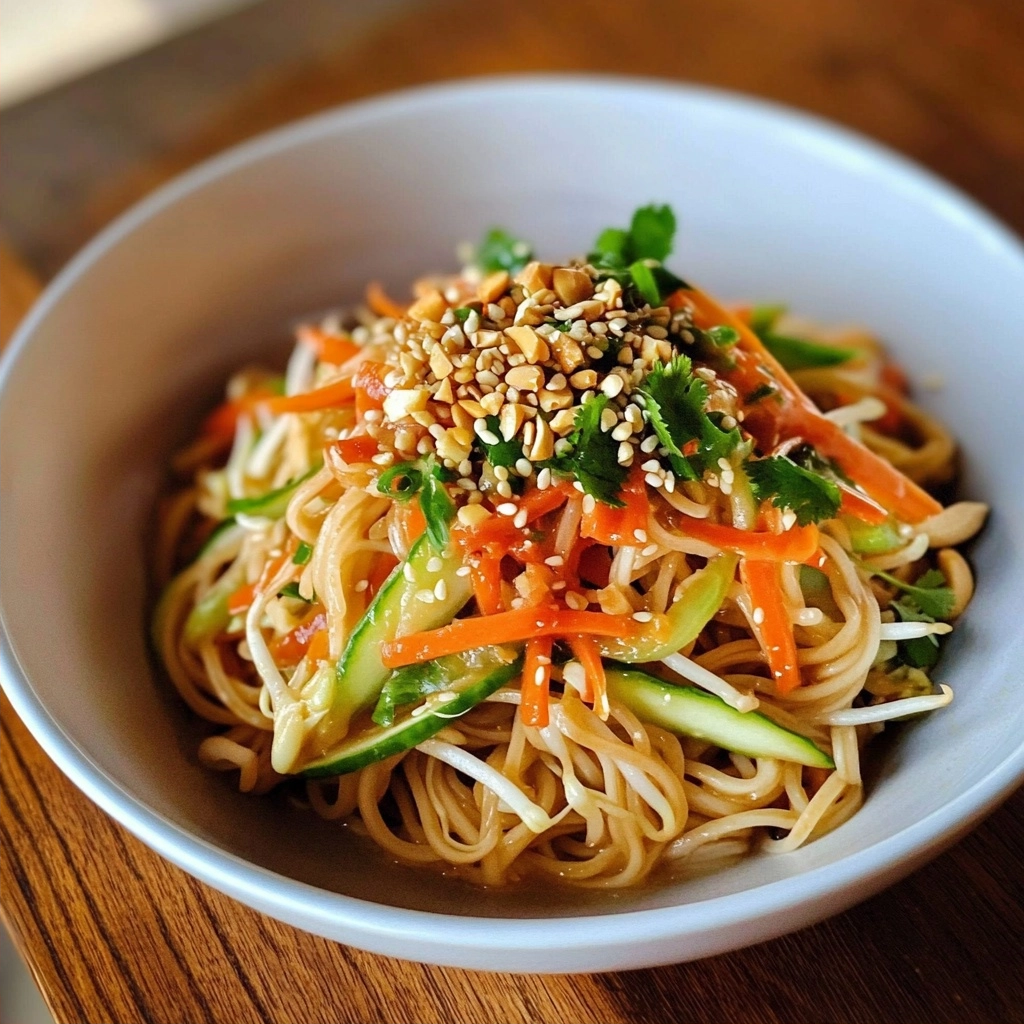
Cold Sesame Noodles Recipe for Quick Summer Family Dinners
Ingredients
Method
- Bring a large pot of water to boil. Add 1 tbsp salt.
- Cook noodles 2-3 minutes until al dente. Reserve 1 cup cooking water.
- Drain noodles under cold water to cool completely.
- In a bowl, whisk soy sauce, peanut butter, sesame oil, vinegar, honey, and garlic until smooth.
- Add noodles and vegetables to the sauce. Use reserved water to thin the sauce as needed.
- Toss thoroughly. Serve chilled, garnished with green onions and sesame seeds.
Nutrition
Notes
Add cooked shrimp or tofu for extra protein
Store in airtight container up to 2 days
Best served chilled but can be served at room temperature