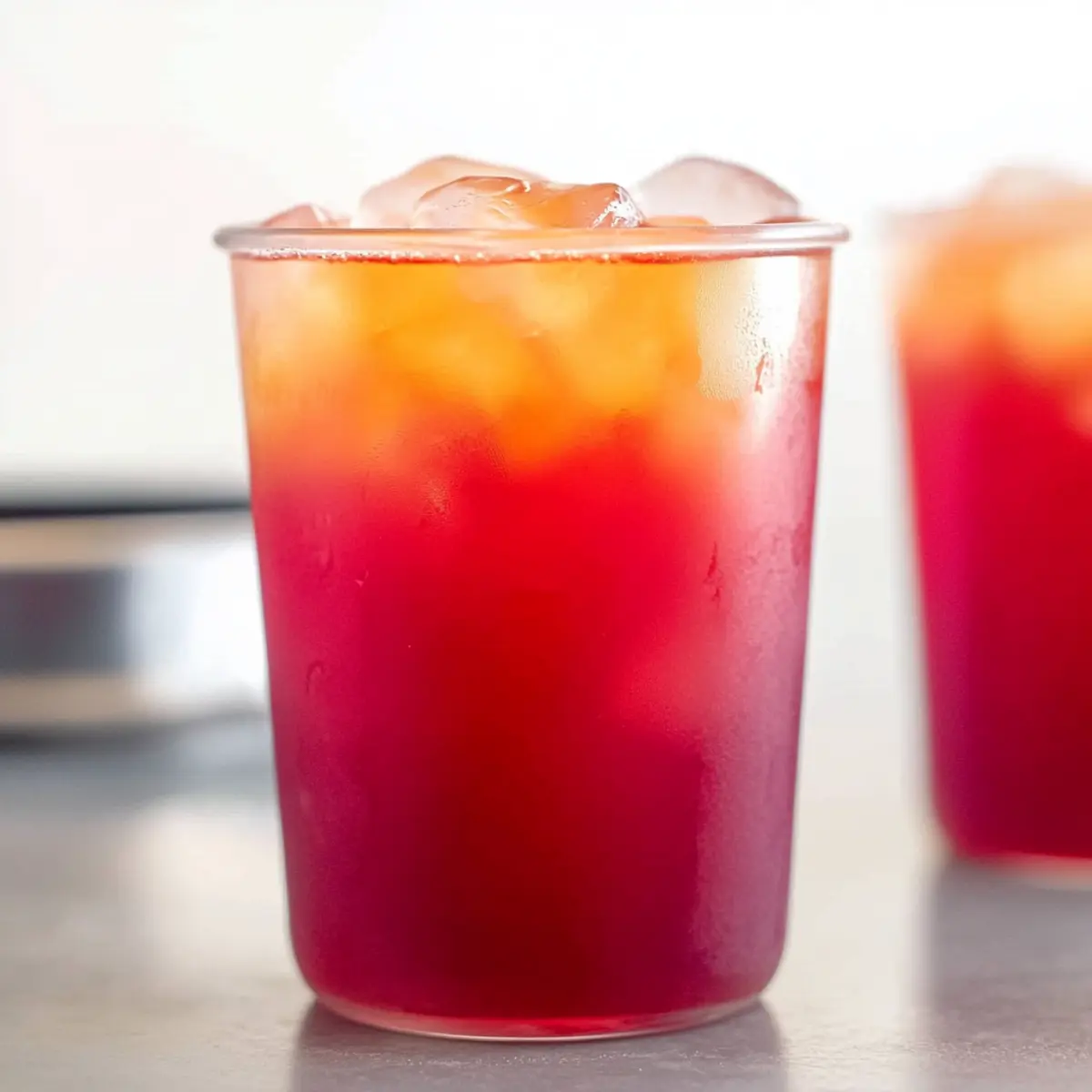

Cold Brew Coffee is a smooth, low-acid beverage made by steeping coarse grounds in water for an extended period. This method creates a concentrated liquid that delivers a rich body without bitterness or harshness. Home brewers love it for its simplicity and the incredible flavor profile it develops overnight. You do not need expensive machines to enjoy a café-style drink right from your kitchen counter.
| Detail | Information |
|---|---|
| Prep Time | 15 minutes |
| Cook Time | 0 minutes |
| Total Time | 24 hours (including steeping) |
| Servings | 4 large cups |
| Difficulty | Easy |
| Cuisine | American |
| Category | Beverages |
| Method | Steeping |
Why This Recipe Works
This recipe succeeds because it relies on time rather than heat to extract the desirable compounds from the coffee beans. Using coarse grounds ensures the water flows through the coffee bed slowly without pulling out excessive bitter tannins. The result is a concentrated brew that mixes smoothly with milk or cream without curdling or becoming muddy.
Unlike hot brewing, the cold water environment preserves delicate aromatic notes that heat often volatilizes too quickly. You can control the strength simply by adjusting the steeping time, giving you full command over the final intensity. This flexibility makes it perfect for personalized palates ranging from mild and floral to heavy and chocolatey.
It also reduces the acidity significantly, making it a better choice for those with sensitive stomachs who usually avoid morning coffee. The process is largely passive, allowing you to prepare the base in the evening and have fresh brew ready when you wake up in the morning.
This straightforward method minimizes cleanup and equipment requirements while maximizing the potential of your favorite coffee beans. You will find that a small investment in time results in a much higher quality cup than standard drip methods.
Chef Tips for Perfect Results
Mastering cold brew requires attention to grind consistency and water quality to ensure a clean, flavorful extraction.
- Grind size matters: Use a coarse grind similar to sea salt to prevent sludge and over-extraction during the long steep.
- Filter choice: Lining your strainer with cheesecloth helps remove fine particles that can make the texture gritty.
- Water temperature: Always use cold or room temperature water starting the process to prevent premature extraction of bitter compounds.
- Stir thoroughly: Ensure all grounds are fully saturated immediately after adding water to prevent dry pockets that waste flavor.
- Patience is key: Do not rush the steep; waiting the full 12 to 24 hours is necessary for optimal solubility.
- Strain in stages: Pour the mixture slowly if you need to filter a large pitcher to ensure even separation of grounds.
- Storage hygiene: Use a clean, airtight glass container specifically designed for refrigeration to prevent odors from affecting the brew.
- Concentrate ratio: Understand that this is a concentrate and dilute it with more water or ice before serving for balance.
Common Mistakes to Avoid
Most failures in brewing cold coffee stem from incorrect grinding or insufficient filtration techniques that cloud the final drink.
| Mistake | Why It Happens | How to Fix It |
|---|---|---|
| Using fine grounds | Too many surface areas release excess oils and bitterness. | Set your grinder to the coarsest setting available. |
| Tasting weak brew | Steeping time was too short to extract enough flavor. | Extend the steeping time by another 6 hours immediately. |
| Muddy texture | Fine sediment passed through the filter mesh undisturbed. | Add a coffee filter layer to your straining process. |
| Bitter finish | Over-extraction occurred due to heat or too long steeping. | Refrigerate the mixture if your house is very warm. |
| Off-flavors | Container was not clean or stored too long in fridge. | Wash containers with hot soapy water before reuse. |
Variations and Substitutions
While the base recipe is simple, it adapts well to different flavor preferences and dietary needs through simple ingredient swaps.
| Ingredient or Element | Substitution or Variation | Impact on Flavor or Texture |
|---|---|---|
| Coffee Beans | Use a medium or light roast instead of dark beans. | Results in a brighter, more acidic but smoother taste. |
| Water Type | Use filtered or bottled sparkly water. | Sparkly water adds carbonation but may alter pH. |
| Sweetener | Add simple syrup while the liquid is still room temp. | Ensures sugars dissolve completely without residue. |
| Milk | Substitute cow’s milk with oat or almond milk. | Oat milk adds a creamy creaminess naturally. |
| Add-ins | Stir in a pinch of vanilla bean or cinnamon sticks. | Infuses subtle warmth directly into the cold liquid. |
| Ice | Use giant ice cubes instead of small cubes. | Reduces melting rate so drinks do not become watery. |
| Concentration | Increase coffee grounds to one and half times amount. | Creates a stronger shot that withstands heavy dilution. |
Serving Suggestions and Pairings
Serving this concentrate allows for creative customization across different times of day and seasonal conditions.
- Pour the concentrate over a tall glass full of fresh ice cubes immediately before serving.
- Top with rich heavy cream or a splash of oat milk for a layered latte effect.
- Add a drizzle of caramel syrup to complement the natural chocolate notes of the roast.
- Blend this coffee concentrate with ice and ice cream for a quick homemade float treat.
- Serve alongside flaky pastry or warm muffins for a classic breakfast pairing.
- Cut with sparkling water to create a light spritzer for a refreshing afternoon pick-me-up.
- Freeze the remainder into ice cubes to use in future smoothies or chilled beverages.
- Stir in a pinch of sea salt to enhance the perception of sweetness without sugar.
- Serve in mason jars for a rustic aesthetic at casual summer brunches.
- Pair with savory breakfast sides like avocado toast or breakfast eggs.
For a complete weekend brunch spread, serve this alongside a batch of buttermilk biscuits and fresh fruit salad. The acidity of the berries balances the fat in the coffee and the bread beautifully.
Make Ahead Options
This recipe is designed specifically for make-ahead preparation since the steeping process cannot be rushed.
You can prepare the entire batch the night before or even up to a full week ahead of consumption. Simply store the finished brew in the refrigerator, as the cold temperatures preserve the volatile aromatics. This flexibility means you can set it in the evening and wake up to a perfectly chilled beverage ready to drink.
Reheating is not necessary or recommended for the concentrate itself, as it is meant to be enjoyed cold. If the flavor seems slightly muted after a few days, stir in a small amount of fresh hot coffee to refresh the profile.
Storage and Reheating
Proper storage is critical for maintaining the freshness and safety of the liquid concentrate over time.
| Method | Duration | Instructions |
|---|---|---|
| Room Temperature | Do not store | Keep out of direct sun to prevent spoilage during steeping only. |
| Refrigerator | Up to 2 weeks | Use a clean glass jar with a tight lid to maintain quality. |
| Freezer | Up to 3 months | Portion into ice cube trays for easy use later. |
| Reheating | N/A | Do not heat concentrate; dilute with hot water instead. |
| Make Ahead | 24 hours minimum | Stir well before pouring to ensure consistency. |
Nutritional Information
Approximate values are based on one serving and may vary depending on exact ingredients and portion size.
| Nutrient | Amount per Serving |
|---|---|
| Calories | 2 calories |
| Protein | 0 grams |
| Fat | 0 grams |
| Saturated Fat | 0 grams |
| Carbohydrates | 0 grams |
| Fiber | 0 grams |
| Sugar | 0 grams |
| Sodium | 0 milligrams |
Frequently Asked Questions
Can I substitute the water?
Yes, you can substitute with filtered bottled water for a cleaner taste profile depending on your water source. Tap water often contains minerals that can interfere with the extraction process over the long steep. Avoid using alkaline water as it may alter the acidity balance of the final drink.
How do I know if the coffee is done?
The drink is done when the liquid looks dark and concentrated with a slightly syrupy texture. If it tastes watery, you need to steep it for another few hours to extract more solids. Trust the aroma as a cue since the smell will be robust and deep rather than sour.
Why is my cold brew cloudy?
Cloudiness usually comes from fine grounds that slipped through the straining cloth or mesh. Straining the liquid a second time through a fresh paper or coffee filter will clear it up. Ensure you are using a coarse grind initially to prevent excessive sediment release.
Can I freeze the concentrate?
Yes, freezing the concentrate is an excellent way to preserve it for much longer than refrigeration allows. Pour it into ice cube trays for easy portioning when you need it on busy mornings. Thaw the cubes in the refrigerator or let them sit at room temperature briefly.
How should I dilute the brew?
You should generally dilute the concentrate with equal parts water or milk for a standard drinking size. Adjust the ratio to your personal tolerance for caffeine strength and flavor density. It is better to start with less water and add more taste as you go.
How does this affect caffeine?
This method extracts caffeine very efficiently compared to hot water methods due to the long contact time. A single ounce of this concentrate contains significantly more caffeine than a cup of drip coffee. You are likely drinking a higher dose unless you heavily dilute the concentrate.
Conclusion
This Cold Brew Coffee recipe simplifies brewing while delivering a sophisticated flavor profile in your kitchen. You will enjoy the smooth, low-acidity experience that keeps your palate happy and your energy high. Try making this concentrate once and you will never go back to bitter iced tea substitutes again.