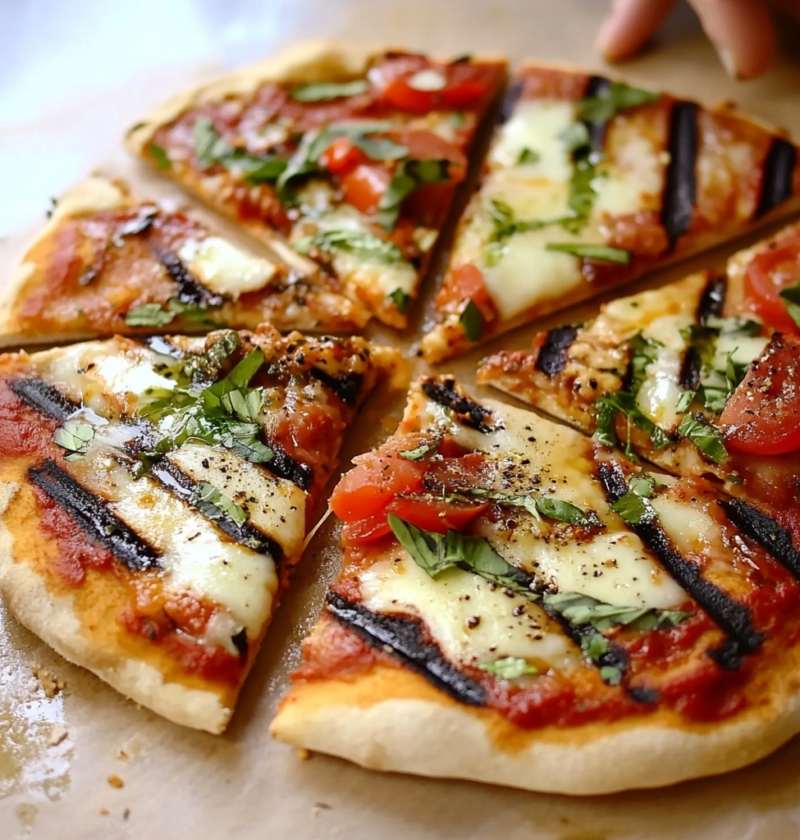
Grilled pizza offers a rustic, charred flavor that rivals any brick oven while keeping your kitchen cool. This method creates a thin, blistered crust infused with the natural aromas of the grill, paired with fresh toppings for a meal that feels both gourmet and effortless.
| Detail | Information |
|---|---|
| Prep Time | 20 minutes |
| Cook Time | 15 minutes |
| Total Time | 35 minutes |
| Servings | 4 people |
| Difficulty | Easy |
| Cuisine | Italian-American |
| Category | Dinner Ideas |
| Method | Grilling |
Why This Recipe Works
This grilled pizza recipe is successful because it mimics the high-heat environment of a commercial pizza oven using standard backyard equipment. The key lies in the two-zone fire technique, which allows you to char the bottom crust directly over high heat while letting the cheese melt and toppings cook gently on the cooler side of the grill. This separation prevents the delicate crust from burning while ensuring the toppings are perfectly heated without drying out.
Using a dough that has been prepared at least one day in advance is crucial for this method. This overnight fermentation process develops complex flavor notes and relaxes the gluten structure, resulting in a dough that is pliable enough to roll out easily but sturdy enough to withstand the direct heat of the grill without breaking apart. The slight tang in a properly aged dough cuts through the richness of the melted cheese and the sweetness of the charred tomato base.
The contrast in texture is the strongest selling point of this dish. You get a chewy, airy interior from the cornmeal-infused flour and the proper resting period, balanced against a smoky, crisp exterior from the Maillard reaction occurring on the hot grates. Each bite delivers a distinct layer of flavor, from the nutty umami of the olive oil brushing the dough to the sharp bite of aged cheeses like Parmesan or Pecorino.
This technique is also incredibly time-efficient, making it perfect for weeknight dinners or weekend entertaining. You can set up the grill while prepping your toppings, keeping everything hot and ready to go. The rustic presentation makes it an impressive dish to serve guests, even if the preparation involved is simple and low-maintenance.
Chef Tips for Perfect Results
- Lightly oil the grill grates: Use a folded paper towel dipped in high-heat cooking oil held with tongs to wipe the grates before cooking. This prevents the dough from sticking and imparts a subtle smoky fragrance to the bottom crust.
- Don’t rush the preheat: Ensure your grill reaches a medium-high heat before placing the dough. A quick burst of heat helps set the bottom of the crust quickly without burning it, giving the pizza a good structure to flip.
- Season the edges: Brush the exposed outer edge of the rolled-out dough with olive oil and a pinch of kosher salt before placing it on the grill. This creates a distinct, crunchy, and savory border that distinguishes the pizza from a typical oven-cooked version.
- Use two metal spatulas: When flipping the dough, using two large, sturdy metal spatulas is often safer and easier than attempting the flip with a single spatula and your hand. It allows you to control the lift and rotation more precisely.
- Top sparingly: Heavy toppings introduce excess moisture, which can lead to a soggy crust. Use a thin layer of sauce and distribute toppings evenly to maintain that desirable crunch without sacrificing flavor.
- Watch the bottom: Keep a close eye on the underside of the pizza. Once you see significant char marks and the dough has puffed up like a balloon, it is time to flip. Don’t wait for it to blacken.
Common Mistakes to Avoid
Avoiding common errors is the fastest way to guarantee success with grilled pizza. The biggest challenge is managing the moisture levels, as too much wet topping will steam the pizza instead of allowing it to cook through properly on the grill surface.
| Mistake | Why It Happens | How to Fix It |
|---|---|---|
| Using dough that is too fresh | Unfermented gluten is too tight and elastic, causing it to shrink or break when grilled. | Always let the dough rest for at least 1 to 2 hours at room temperature or use dough prepared 24 hours in advance. |
| Topping with heavy, wet ingredients | Sauces and vegetables release moisture, creating a barrier between the heat and the dough. | |
| Grilling on direct heat the whole time | High heat cooks the bottom too fast while the cheese remains unmelted, often resulting in a burnt crust. | Use the two-zone method: start cooking on the hot side, flip, then move to the cooler side to finish melting the cheese. |
| Flipping with a single spatula | Dough is delicate and prone to tearing, especially near the charred edges. | Use two spatulas or a pizza peel to support the entire base during the flip, reducing the risk of tearing. |
| Not closing the grill lid | Cooking uncovered can result in uneven temperature and slow melting of the toppings. | Place the lid on the grill briefly once the toppings are added to trap heat and melt the cheese efficiently. |
| Skipping the olive oil brushing | A dry crust can stick to the grates or taste bland compared to a moist, seasoned one. | Brush the dough lightly with olive oil on both sides before cooking to ensure a crispy exterior and a flavorful crust. |
Variations and Substitutions
Exploring different flavor profiles can transform this base recipe into countless variations while maintaining the core grilled technique. You can easily adapt the sauce, cheese, and toppings to suit different tastes and dietary needs.
| Ingredient or Element | Substitution or Variation | Impact on Flavor or Texture |
|---|---|---|
| Cheese blend | Replace mozzarella with fontina or shredded Jack for a milder taste. | Fontina adds a creamy, nutty flavor while Jack provides a sharper, more spicy kick. |
| Tomato sauce | Use a pesto base instead of seasoned tomato puree. | Creates a fresh, herbaceous flavor profile that pairs beautifully with grilled vegetables. |
| Dough flour | Substitute half the white flour with whole wheat or bread flour. | Bread flour increases the chewiness, while whole wheat adds fiber and a denser, nutty texture. |
| Hard cheese | Swap Parmesan for a spicy Pecorino Romano or aged Cheddar. | Pecorino offers a saltier, sharper taste, while Cheddar melts differently, resulting in a gooier pull. |
| Toppings | Use fig jam and gorgonzola instead of tomato sauce and mozzarella. | Creates a dessert-style or sweet and savory variation that is perfect for ending a meal. |
| Dough rolling | Roll the dough directly on a piece of parchment paper on the counter. | Makes handling sticky dough easier and ensures the pizza stays flat, but use the parchment to transfer the dough to the grill instead of flipping it in the air. |
Serving Suggestions and Pairings
Serving grilled pizza requires thoughtful accompaniments that complement its smoky, robust flavor without overpowering the main event. A light, crisp beverage and simple sides will round out the meal nicely.
- Glass of Chianti: A dry Italian red wine pairs perfectly with the charred tomato and cheese flavors.
- Caesar Salad: A crisp romaine salad with shaved Parmesan and garlic croutons provides a refreshing texture contrast.
- Garlic Breadsticks: Simple bread sticks brushed with olive oil and herbs make for the ultimate handheld side.
- Cucumber and Tomato Salad: A Caprese-style salad with balsamic glaze offers a lighter option to balance the richness of the pizza.
- Italian Sodas: Club soda with flavored syrups like lemon, mint, or cherry provides a non-alcoholic beverage that cleanses the palate.
- Fresh Fruit Tart: For dessert, keep it simple with a light fruit tart or seasonal berries to finish the meal on a sweet note.
- Antipasto Platter: Olives, artichoke hearts, and cured meats add a sophisticated starter to the meal.
- Herb Rubbed Chicken: Grill a whole chicken alongside the pizza for a complete protein-packed dinner suitable for family gatherings.
For a standout presentation, consider a “Grilled Pizza Bar” where guests choose their own dough, sauces, and toppings to build their own unique pizzas over the fire. This interactive element is not only fun but allows everyone to customize their meal to their exact preferences.
Make Ahead Options
Preparing components of this recipe in advance can save valuable time on the day you plan to cook. The dough benefits significantly from advanced preparation, and the sauce can also be made in bulk.
You can prepare the pizza dough up to 2 days in advance. After mixing and kneading, divide the dough into individual balls, coat them lightly with olive oil, and store them in an airtight container in the refrigerator. This fermented dough will actually develop a better texture and flavor when allowed to rest in the cold. Before grilling, simply remove the dough from the fridge about 30 minutes prior to use to take the chill off and make it easier to roll out.
The seasoned tomato puree can also be made ahead of time. Allow the sauce to cool completely before storing it in a sealed container in the refrigerator for up to 4 days. You can also freeze the sauce in ice cube trays for easy portioning. Keep all other toppings, such as shredded cheese and chopped vegetables, in separate containers to ensure they remain fresh and ready to assemble quickly once the dough is on the grill.
Storage and Reheating
Knowing how to properly store and reheat leftover grilled pizza is essential for maintaining its quality. While this dish is best enjoyed immediately after cooking, there are ways to enjoy the flavors the next day.
| Method | Duration | Instructions |
|---|---|---|
| Room Temperature | 2 hours | Store in an airtight container and consume within two hours to prevent bacterial growth, as cheese can attract fruit flies. |
| Refrigerator | 3 to 4 days | Wrap individual slices tightly in plastic wrap or foil and store in the refrigerator. Keep the sauce and toppings separate if storing assembled slices for longer. |
| Freezer | 1 to 2 months | Freeze slices without sauce on a baking sheet until solid, then transfer to a freezer bag. Add sauce just before reheating to maintain texture. |
| Reheating | 5 to 8 minutes | Reheat in a 350-degree Fahrenheit oven or on a preheated skillet over medium heat until the cheese is melted and the crust crisps up again. |
| Make Ahead | 24 to 48 hours | Prepare the dough and sauce at least one day prior to grilling. Assemble and grill the pizza immediately before serving. |
Nutritional Information
Approximate values are based on one serving and may vary depending on exact ingredients and portion size.
| Nutrient | Amount per Serving |
|---|---|
| Calories | 450 calories |
| Protein | 18 grams |
| Fat | 20 grams |
| Saturated Fat | 10 grams |
| Carbohydrates | 52 grams |
| Fiber | 4 grams |
| Sugar | 6 grams |
| Sodium | 780 milligrams |
Frequently Asked Questions
Can I use pre-made pizza dough for this recipe?
Yes, you can use store-bought dough, though fresh dough prepared at least one day in advance yields the best texture and flavor. If using store-bought, let it warm to room temperature and stretch gently before grilling.
How do I know when the pizza is done cooking?
The pizza is done when the bottom crust is deeply charred and crispy, and the cheese is completely melted with slight bubbling around the edges. You can check the underside with a spatula to ensure it has a nice golden-brown color.
Why is my grilled pizza crust soggy?
Sogginess usually happens when there is too much sauce or heavy toppings that release moisture. Using a thin layer of seasoned tomato puree and distributing toppings evenly prevents excess water from steaming the dough.
Can I cook the pizza entirely on the hot side of the grill?
Cooking entirely on the hot side can cause the bottom to burn before the cheese melts and the toppings are cooked through. Using a two-zone fire ensures the bottom crisps up while the cheese finishes cooking gently on the cooler side.
What is the best way to flip the dough on the grill?
The easiest method is to use two large metal spatulas. Slide one under the center of the dough and the other under the bottom, then lift and rotate both simultaneously to flip the pizza over.
Can I put toppings on the dough before grilling?
For the crispiest crust, it is best to start with a plain, oiled dough on the hot grill. Once the crust is blistered and flipped, you can then add the sauce, cheese, and toppings to ensure the dough does not get soggy.
Conclusion
Grilled pizza is a culinary revelation that combines the comfort of homemade pizza with the excitement of outdoor cooking. By mastering the technique of using a two-zone fire and preparing your dough in advance, you can achieve a restaurant-quality result right in your own backyard. The smoky char of the crust provides the perfect backdrop for fresh, vibrant toppings, making every bite a delicious success.
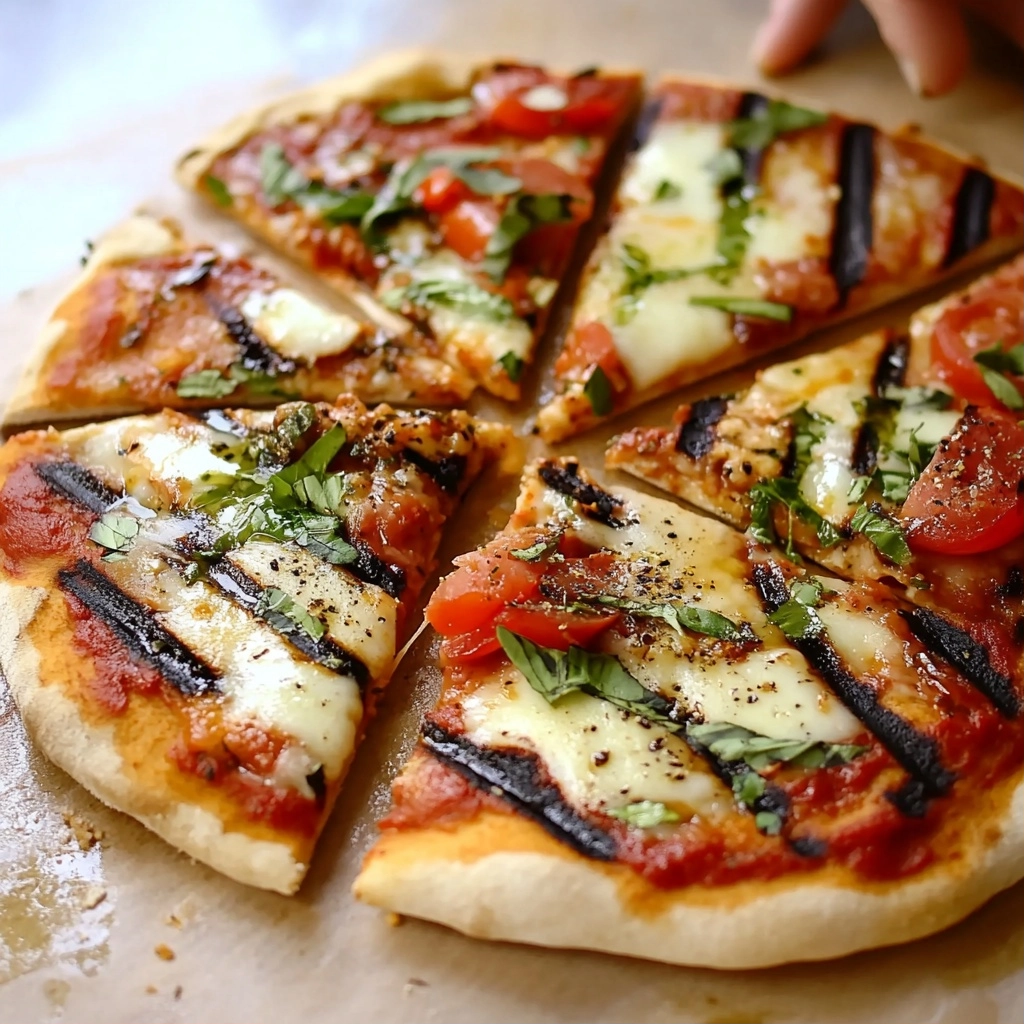
Grilled Pizza with Crispy Crust and Smoky Flavor
Ingredients
Method
- Preheat grill for two-zone fire: one side high heat, one side cooler.
- Combine flour, cornmeal, sugar, salt, and olive oil in a bowl. Gradually add warm water until dough forms a ball.
- Knead dough 5-7 minutes until smooth. Let rest 15 minutes.
- Roll dough into four thin circles. Dust grates with cornmeal.
- Place dough on hot grill side to char bottom (1-2 minutes per side). Move to cooler side, add sauce, cheese, and tomatoes. Cook 3-5 minutes until cheese melts.
- Brush crust with olive oil and sprinkle Parmesan before serving.
Nutrition
Notes
Use half cornmeal dough for easier handling.
Cook without alcohol or animal-friendly toppings if needed.