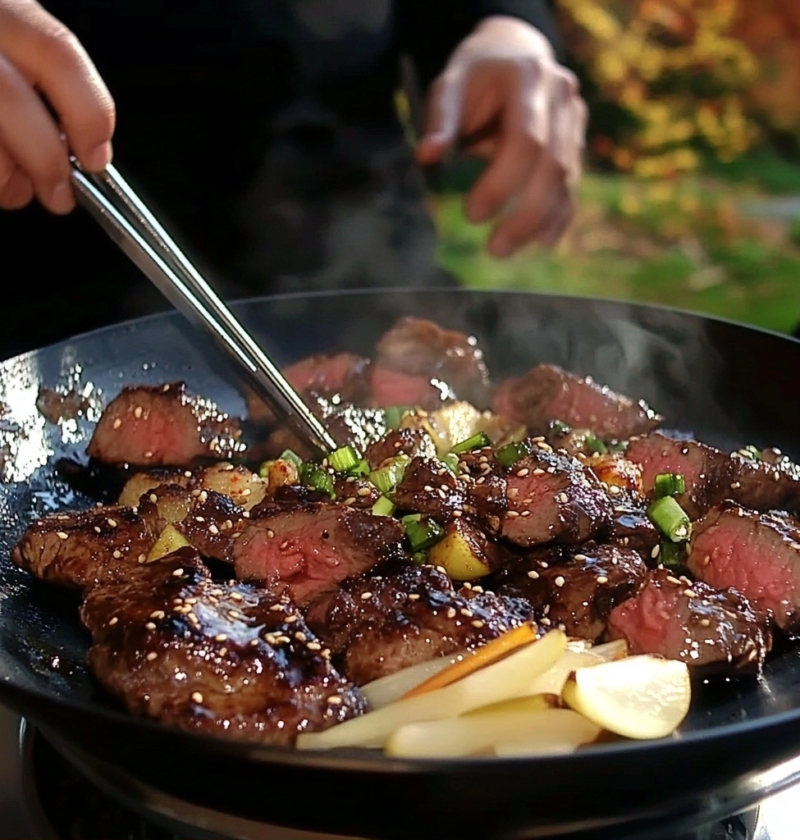
Korean BBQ beef offers a delicious blend of savory soy sauce and sweet pear juice that tenderizes meat perfectly. This traditional marinade creates a caramelized crust on the grill while keeping the inside juicy and flavorful. It is an excellent choice for a quick weeknight dinner or a special weekend gathering with family.
| Detail | Information |
|---|---|
| Prep Time | 10 minutes |
| Cook Time | 10 minutes |
| Total Time | 20 minutes plus marinating |
| Servings | 4 |
| Difficulty | Easy |
| Cuisine | Korean |
| Category | Main Dish |
| Method | Grilling |
Why This Recipe Works
This Korean BBQ beef marinade recipe works because the combination of Asian pear and onion creates a natural sweetness that balances the salty soy sauce perfectly. The enzymatic activity in the crushed pear helps break down tough muscle fibers in the beef tenderloin for a melt-in-your-mouth texture. Using brown sugar provides a rich depth of flavor that caramelizes beautifully under high heat on the grill.
Marinating the beef allows the flavors to penetrate deep into the meat rather than just sitting on the surface. The addition of black pepper and toasted sesame oil adds a nutty aroma that complements the earthy beef flavor. Keeping the beef slices thin ensures they cook quickly and evenly without drying out. This method is reliable every time you prepare it.
Even without a professional grill, you can achieve the same smoky flavor using a hot cast iron skillet or an indoor grill pan. The ingredients are simple and often found in the international aisle of most grocery stores. This accessibility makes it a practical option for home cooks who want to try authentic cuisine. The balance of sweet and savory keeps your taste buds engaged with every bite.
The texture achieved by this specific blend of ingredients is superior to standard beef marinades found in stores. Fresh ginger and garlic add a bright zing that prevents the savory soy sauce from tasting too heavy. You get a perfect finish that feels authentic while being easy enough for a Tuesday night. This is why this recipe is a favorite for families who love robust flavors.
Chef Tips for Perfect Results
Start with room temperature beef to ensure it cooks evenly and absorbs the marinade effectively.
- Cut the pear finely: Use a grater or blender to crush the Korean pear so the enzymes release into the sauce. Large chunks will not tenderize the meat as well.
- Control the heat: Grill over medium-high heat to sear the outside quickly without cooking the inside too fast. This locks in the natural juices of the beef tenderloin.
- Don’t overcrowd the pan: Cook the beef in batches so the temperature does not drop when you add more meat. Crowding leads to steaming rather than searing.
- Wash the vegetables: Ensure the green onions and carrots are thoroughly clean before adding them to the marinade. Freshness impacts the overall crispness of the side elements.
- Measure the soy sauce: Use low-sodium soy sauce if you are concerned about saltiness levels in the final dish. You can always add more salt if needed during the finishing process.
Common Mistakes to Avoid
Avoid these common errors while preparing your marinade and cooking the beef to ensure the best possible meal.
| Mistake | Why It Happens | How to Fix It |
|---|---|---|
| Overcooking the beef | Leaving the beef on the heat too long causes moisture loss | Cook for only 2 to 3 minutes per side until just cooked through |
| Using cold meat | Beef taken directly from the fridge cooks unevenly | Let the beef sit at room temperature for 20 minutes before cooking |
| Salty marinade | Adding too much soy sauce creates an overpowering flavor | Use balanced amounts of soy sauce and sweetener like brown sugar |
| Weak tenderization | Using a pear that is too hard reduces enzymatic activity | Choose a ripe pear or add more time to the marinating process |
| Flavor clumping | Agaric garlic or ginger not mixed well leaves bite-sized pieces | Ensure all aromatics are minced very finely or pureed in a processor |
Variations and Substitutions
You can adapt this recipe to fit different dietary needs or preference without losing the core flavor profile.
| Ingredient or Element | Substitution or Variation | Impact on Flavor or Texture |
|---|---|---|
| Brown Sugar | Cane sugar or maple syrup | Maple syrup adds a distinct woodsy sweetness |
| Soy Sauce | Coconut Aminos | Creates a gluten-free and slightly sweeter option |
| Korean Pear | Asian Pear or Apple | Other fruits work for tenderizing but alter sweetness |
| Baby Back Ribs | Steak Strips or Sirloin | Strips cook slightly faster than thicker cuts |
| Sesame Oil | Olive Oil | Loss of nutty aroma but maintains moisture |
Serving Suggestions and Pairings
Pair this dish with traditional sides to complete the authentic dining experience at home.
- Short-grain white rice to soak up the savory marinade juices
- Fresh lettuce leaves for wrapping the grilled beef slices
- Ssambjang dipping sauce for a spicy and savory kick
- Pickled radishes to cut through the richness of the beef
- Cucumber salad with vinegar for a refreshing contrast
- Kimchi for traditional spicy fermented vegetable side dish
- Steamed spinach or Korean spinach seasoned with sesame oil
- Grilled garlic cloves to enhance the meat flavor
- Korean-style noodles for a heartier portion size
- Clear cucumber soup to cool down the palate
This combination creates a vibrant spread perfect for sharing with friends. The variety of textures from the soft rice to the crispy lettuce makes every bite exciting.
Make Ahead Options
You can prepare the marinade and marinate the beef up to 24 hours in advance. This approach allows the flavors to meld deeply into the meat fibers for a superior taste. Ensure you store the bowl in the refrigerator at all times to maintain food safety standards.
Do not marinate for longer than one day as the acidity and enzymes may start to break down the texture too much. If you are planning a weekend gathering, this step saves you valuable cooking time. The beef can be sliced ahead of time and placed in an airtight container.
Take the container out of the fridge 20 minutes before grilling to bring the meat to room temperature. This prevents the steak from seizing up when it hits the hot pan. It is a practical strategy for busy weeknights.
Storage and Reheating
Store the leftovers and cooked beef properly to ensure they remain safe and delicious for later consumption.
| Method | Duration | Instructions |
|---|---|---|
| Room Temperature | 1 hour | Do not leave out longer than 1 hour due to bacteria risk |
| Refrigerator | 3 days | Store in an airtight container to retain moisture |
| Freezer | 2 months | Wrap tightly in plastic or freezer bags to prevent freezer burn |
| Reheating | 2 minutes | Heat in a skillet until warm to avoid drying out |
| Make Ahead | 24 hours | Marinate beef in a sealed container in the fridge |
Nutritional Information
Approximate values are based on one serving and may vary depending on exact ingredients and portion size.
| Nutrient | Amount per Serving |
|---|---|
| Calories | 350 |
| Protein | 35g |
| Fat | 15g |
| Saturated Fat | 5g |
| Carbohydrates | 8g |
| Fiber | 1g |
| Sugar | 6g |
| Sodium | 850mg |
Frequently Asked Questions
Can I substitute meat for another protein?
Yes, you can substitute the beef for thinly sliced pork belly or chicken breast. However, the timing required for cooking will vary slightly depending on the protein type. Adjust the marinating time to allow the enzymes to work effectively.
How do I know when the beef is perfectly cooked?
The beef should feel firm to the touch but still offer some resistance when pressed. Internal temperature should reach 145 degrees Fahrenheit for medium-rare doneness and slightly higher for well done. Since the slices are thin, visual cues like browning are often sufficient indicators.
What can I do if the marinade is too thick?
Add a small splash of water or rice wine vinegar to thin out the sauce if it becomes pasty. This helps it coat the meat more evenly and prevents it from burning too quickly on the grill. Stir well before applying to the beef slices.
Is Korean BBQ spicy?
This classic Korean BBQ beef marinade recipe is not spicy unless you add hot pepper flakes or spicy paste. The primary flavor profile focuses on sweet, savory, and nutty notes. You can adjust the heat level by adding red pepper powder or gochujang during cooking if you prefer.
Can I use honey instead of brown sugar?
You can use honey instead of brown sugar for a different type of sweet flavor profile. It caramelizes faster so be careful not to burn it on high heat. The texture becomes slightly more sticky and less gritty than brown sugar.
How long should I marinate for best results?
Marinate the beef for at least 30 minutes to allow the flavors to penetrate the surface. For deeper flavor infusion and better tenderization, marinate for up to 12 hours in the refrigerator. Overnight marination is the ideal choice for a full flavor experience.
Conclusion
This Korean BBQ beef marinade recipe delivers an unforgettable dining experience right in your kitchen. The balance of sweet and savory creates a comfort level that appeals to all age groups. You will love the tender texture and the ease of preparation it offers. Make it this weekend for a delicious and satisfying meal.
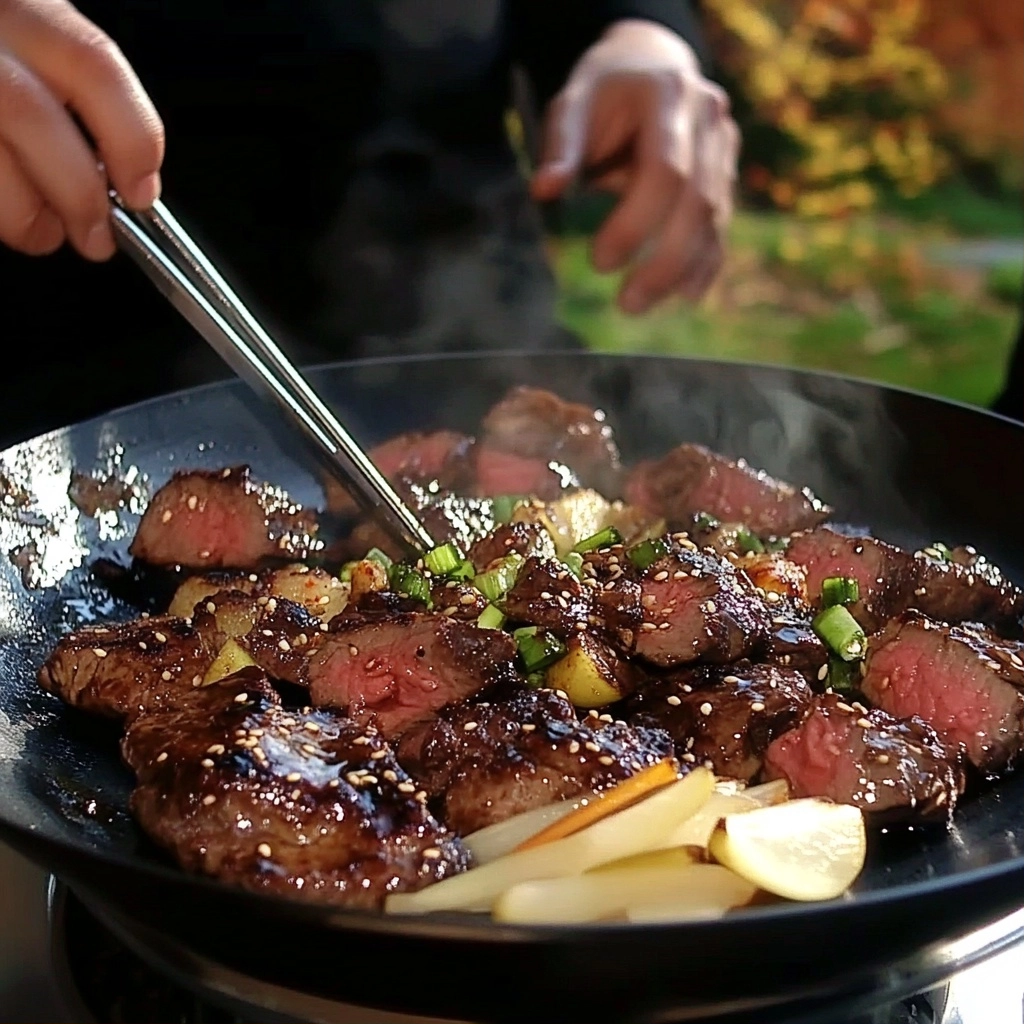
Authentic Korean BBQ Beef Marinade Recipe for Grilling
Ingredients
Method
- Combine soy sauce, sesame oil, brown sugar, rice vinegar, garlic, ginger, and black pepper in a bowl.
- Add grated pear and stir until well mixed.
- Place beef in dish, pour marinade over top, and refrigerate for 2 hours.
- Grill beef over medium-high heat for 1-2 minutes per side, until caramelized.
- Serve immediately.
Nutrition
Notes
Let beef sit at room temperature for 15-20 minutes before grilling.
Adjust soy sauce for sodium preference.