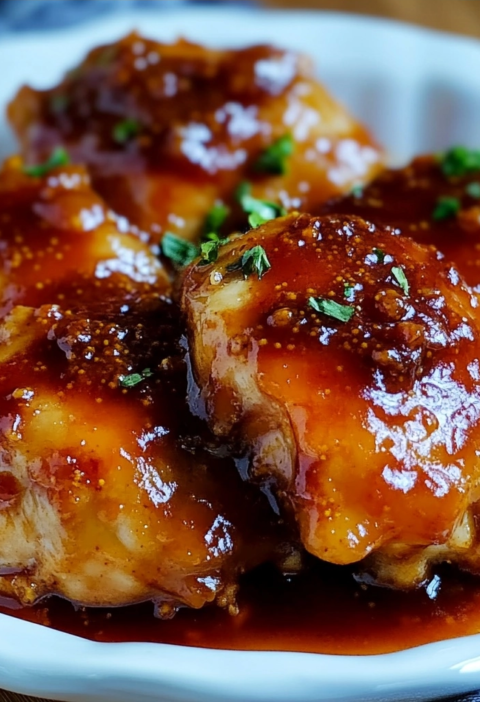
This Classic Hawaiian Chicken recipe delivers a sweet and tangy meal that is perfect for busy weeknight dinners. It combines savory chicken pieces with a rich brown sugar and ketchup glaze, finished with bright crushed pineapple for a tropical twist. The result is tender, juicy meat that everyone at the table will love to eat immediately.
| Detail | Information |
|---|---|
| Prep Time | 15 minutes |
| Cook Time | 45 minutes |
| Total Time | 1 hour |
| Servings | 6 servings |
| Difficulty | Easy |
| Cuisine | Hawaiian-inspired |
| Category | Main Dish |
| Method | Oven Baking |
Why This Recipe Works
This Hawaiian chicken recipe works because it balances sweet and savory flavors so perfectly that even picky eaters request seconds. The combination of brown sugar and ketchup creates a glossy caramelized finish on the outside of the chicken while keeping the inside moist. Using a mix of chicken pieces allows for different textures, as thighs stay juicier while breasts lean into the sauce without drying out.
The vinegar and cornstarch mixture acts as a thickening agent that transforms the wet ingredients into a sticky glaze rather than a soup. This technique ensures that every bite is coated in the delicious pineapple-infused sauce instead of the meat sitting in liquid at the bottom of the dish. Baking at a moderate temperature allows the flavors to meld together without burning the sugar components.
Most importantly, the inclusion of crushed pineapple adds a natural acidity that cuts through the richness of the butter and sugar. This bright element prevents the dish from feeling too heavy, making it a versatile option for summer picnics or cold winter nights alike. You will find this recipe becomes a staple in your rotation due to its reliable flavor profile.
Chef Tips for Perfect Results
Using fresh chicken and following these specific steps will ensure your Hawaiian chicken turns out perfectly every single time.
- Room temperature chicken: Let the chicken sit out for twenty minutes before cooking so it cooks evenly without seizing in the oven.
- Thinning the sauce: Whisk the cornstarch with the vinegar before adding it to the hot pan to prevent any clumps from forming in your glaze.
- Browning the meat: Ensure the sauce bubbles vigorously for at least one minute to cook out the raw starch flavor before pouring it over the chicken.
- Checking doneness: Use a digital meat thermometer to verify the internal temperature reaches 165 degrees Fahrenheit at the thickest spot.
- Resting the dish: Let the chicken sit for five minutes after removing it from heat so the juices redistribute throughout the meat.
- Drain excess liquid: If too much sauce collects at the bottom, carefully spoon it back over the chicken before serving to avoid a watery consistency.
- Season lightly: Taste the sauce before baking since the soy sauce and ketchup already contain significant levels of salt.
- Pineapple choice: Use canned crushed pineapple packed in juice for better sauce integration compared to fruit cups with heavy syrup.
Common Mistakes to Avoid
Making errors during preparation or cooking can ruin the texture and balance of flavors that this dish is meant to achieve.
| Mistake | Why It Happens | How to Fix It |
|---|---|---|
| Sauce is too thin | Undercooking the cornstarch mixture | Simmer the sauce longer before adding it to the chicken. |
| Chicken is dry | Overcooking during the baking phase | Check temperature at 40 minutes to prevent drying. |
| Floor is too salty | Adding salt on top of soy sauce | Taste the sauce before adding extra salt. |
| Pineapple turns to mush | Adding pineapple too early | Add pineapple after the sauce is off the heat. |
| Sauce burns | Oven temperature is too high | Use 325 degrees Fahrenheit for steady braising. |
| Chicken sticks to tray | Dish was not greased | Use butter or cooking spray on the baking dish. |
Variations and Substitutions
There are many ways to modify the base recipe to suit your specific dietary needs or flavor preferences without losing the essence of the dish.
| Ingredient or Element | Substitution or Variation | Impact on Flavor or Texture |
|---|---|---|
| Butter | Vegetable oil or coconut oil | Changes the richness but keeps the sauce glossy. |
| Brown sugar | Coconut sugar or honey | Coconut sugar adds a caramel flavor, honey adds floral notes. |
| Ketchup | Tomato sauce with vinegar | Makes the sauce less sweet and more savory. |
| Soy sauce | Coconut aminos | Reduces sodium and makes it soy-free friendly. |
| Pineapple | Fresh chopped pineapple | Requires adding juice to maintain sauce liquid volume. |
| Worcestershire | Extra soy sauce and ginger | Provides savory depth without anchovy flavor. |
| Chicken pieces | Whole boneless breasts | Requires adjusting cooking time to prevent dryness. |
| Cornstarch | Corn flour or arrowroot | Changes the thickening clarity slightly. |
Serving Suggestions and Pairings
Serving this Hawaiian chicken with the right sides can elevate the meal into a complete tropical feast for your family.
- Steamed jasmine rice is the best base to soak up the extra sauce.
- Plain white rice absorbs the savory juices and balances the sweetness.
- Fried rice with pineapple chunks enhances the tropical theme perfectly.
- Sesame seed steamed broccoli adds a crunchy green vegetable element.
- Cauliflower rice works well for those following a low-carb diet plan.
- A fresh mango and cilantro salsa adds color and extra fruit sweetness.
- Steamed snap peas provide a crisp texture against the soft chicken.
- Corn on the cob with a little butter complements the buttery sauce.
- Grilled corn tortillas can turn the leftovers into tacos quickly.
- Bread rolls are excellent for mopping up any remaining glaze from the plates.
- Cole slaw adds a tangy crunch that cuts through the rich flavors.
- Sweet tea or iced lemonade pairs well to balance the salty notes.
For a complete meal, serve the chicken over a bed of coconut rice with sides of steamed bok choy and a simple cucumber salad dressed with lime juice. This combination provides a balanced plate with carbohydrates, proteins, and fresh vegetables that satisfy hunger without feeling overly heavy.
Make Ahead Options
This recipe can be prepared ahead of time to save on cooking efforts when dinner time arrives.
You can prepare the sauce completely up to 24 hours in advance and store it in an airtight container in the refrigerator. This allows the flavors to meld before baking, often resulting in a deeper taste profile. The chicken can be seasoned and placed in the baking dish the night before, covered with plastic wrap. However, it is best to add the sauce just before baking to ensure the glaze does not become too runny during storage.
If you plan to use the chicken later, you can bake the meat and then freeze the unsauced portions to maintain texture. Reassembling the dish is simply a matter of reheating the chicken and adding the fresh warm sauce. This approach prevents the chicken from becoming soggy or falling apart during the reheating process.
Storage and Reheating
Proper storage ensures that leftovers remain safe to eat for several days after the initial meal preparation.
| Method | Duration | Instructions |
|---|---|---|
| Room Temperature | 2 hours | Do not leave chicken out longer than two hours to prevent bacteria growth. |
| Refrigerator | 3 to 4 days | Store in an airtight container with sauce mixed in to keep it moist. |
| Freezer | 2 to 3 months | Portion into meal sized bags and press out all excess air first. |
| Reheating | 5 to 7 minutes | Use the microwave on medium power or the oven at 350 degrees. |
| Make Ahead | 24 hours | Keep sauce and chicken separate until ready to bake for best results. |
Nutritional Information
Approximate values are based on one serving and may vary depending on exact ingredients and portion size.
| Nutrient | Amount per Serving |
|---|---|
| Calories | 350 kcal |
| Protein | 28 grams |
| Fat | 14 grams |
| Saturated Fat | 6 grams |
| Carbohydrates | 25 grams |
| Fiber | 1 gram |
| Sugar | 22 grams |
| Sodium | 680 milligrams |
Frequently Asked Questions
Can I substitute the chicken pieces for something else?
Yes, you can use boneless skinless chicken breasts or even chicken tenders for this Hawaiian Chicken recipe. The cooking time will need to be slightly reduced since smaller or boneless pieces cook faster than bone-in parts. This substitution works well for those who prefer less bone waste in their meals.
How do I know when the chicken is fully cooked?
You should use an instant-read meat thermometer to check the internal temperature reaches 165 degrees Fahrenheit. The juices should also run clear when you pierce the thickest part of the meat. Do not rely solely on color changes as the sauce can darken the meat significantly.
Can I make this recipe on the stovetop?
You can cook the sauce on the stove and braise the chicken in the skillet, but it may stick more easily than in an oven. Stovetop cooking requires more attention to prevent the sauce from burning while simmering. The oven method is generally easier to manage for the full sauce reduction.
Is this dish suitable for meal prep?
Absolutely, this recipe holds up very well in meal prep containers over several days. The sauce keeps the chicken moist throughout the week, which is better than many baked chicken dishes. Simply label each container for the day of the week to ensure you eat everything while fresh.
What is the best way to serve the sauce?
Serve the sauce warm directly from the baking dish so it stays liquid and pours over the rice easily. If the sauce thickens too much upon cooling, you can warm it briefly in the microwave with a splash of water. Do not serve the sauce room temperature as it may gel from the cornstarch.
How long can I keep the leftovers in the freezer?
You can store the leftovers in the freezer for up to three months without a significant loss of quality. Wrap the portions tightly in freezer-safe bags to prevent freezer burn and freezer flavors from affecting the dish. Thaw them overnight in the refrigerator before reheating.
Conclusion
Making this Classic Hawaiian Chicken is a simple way to bring tropical flavors to your home kitchen without needing any special equipment. The sweet and tangy sauce paired with tender chicken pieces guarantees a delicious meal that pleases every member of the family. Enjoy the comforting warmth of the pineapple and brown sugar glaze as the signature taste of this easy dinner.
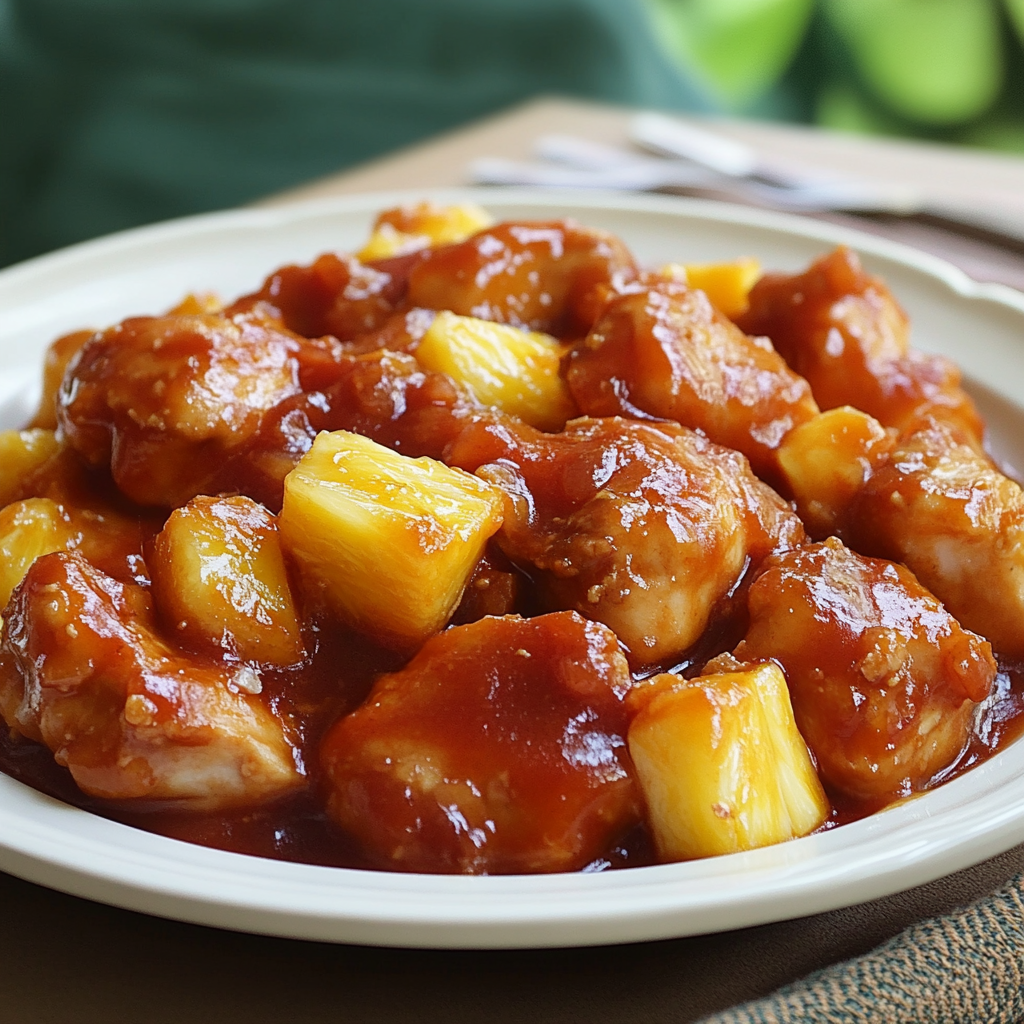
Classic Hawaiian Chicken Recipe with Pineapple Sauce
Ingredients
Method
- Preheat oven to 375°F (190°C) and line a 9x13-inch baking dish with parchment paper.
- In a small bowl, whisk ketchup, brown sugar, cider vinegar, salt, and pepper until smooth.
- Brush half the glaze under and over chicken pieces, reserving the remainder.
- Bake for 25 minutes until chicken is golden.
- In another small bowl, mix cornstarch with 2 tbsp cold water until smooth. Add butter to the sauce in a skillet over medium heat, bring to a boil, and stir in the cornstarch slurry. Cook for 1 minute until thickened and smooth.
- Stir in crushed pineapple and remaining 1/4 cup glaze. Pour sauce over baked chicken. Bake for 10–15 minutes until sauce is bubbly and chicken is fully cooked (internal temperature 165°F/75°C).
Nutrition
Notes
Letting the chicken rest for 5–10 minutes before serving helps retain juices.
Sauce can be made ahead and stored in the fridge for up to 2 days.