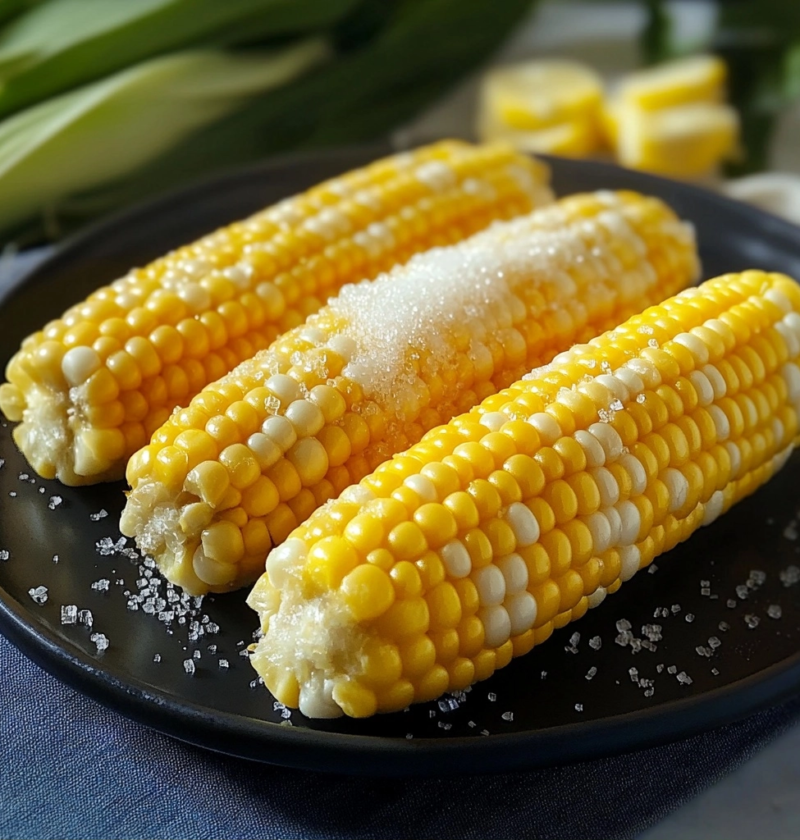
Corn on the cob is a beloved American staple that brings comfort and joy to family tables across the country. This particular method guarantees tender kernels and a naturally sweet flavor profile by using a gentle boiling technique enhanced with simple pantry staples.
| Detail | Information |
|---|---|
| Prep Time | 5 minutes |
| Cook Time | 10 minutes |
| Total Time | 15 minutes |
| Servings | 6 ears |
| Difficulty | Easy |
| Cuisine | American |
| Category | Vegetable Side |
| Method | Boiling |
Why This Recipe Works
This recipe is designed to maximize flavor and texture through a foolproof combination of sweetening agents and precise steaming. The addition of sugar and lemon juice to the boiling water creates a unique flavor bridge that elevates the natural sugars within the corn kernels, resulting in a taste that is both rich and refreshing. By turning off the heat and covering the pot immediately after adding the corn, you create a steam environment that cooks the kernels evenly without stripping away the starch or making the exterior mushy. This gentle approach preserves the structural integrity of the corn, ensuring that every bite offers that satisfying snap we all crave when eating corn on the cob.
The success of this dish also relies heavily on the ingredient balance. Two tablespoons of white sugar and one tablespoon of lemon juice may seem like a small amount, but they interact on the palate to balance acidity and enhance sweetness. The lemon juice acts as a subtle preservative that helps retain the bright yellow color of the corn while preventing a cloyingly sweet finish. Furthermore, the timing is critical; allowing the corn to steep in the hot water for exactly ten minutes strikes the perfect balance between fully cooked and fresh. This method works so well because it bypasses the need for heavy butter or excessive seasonings, letting the intrinsic qualities of quality corn shine through. It is a reliable technique that eliminates the guesswork often associated with boiling corn, providing consistent results whether you are cooking for a weeknight dinner or a weekend barbecue.
Another reason this method stands out is its incredible efficiency and ease of cleanup. Unlike roasting or grilling corn, which requires constant attention and specialized equipment, this stovetop method requires only a large pot and a lid. You can prepare the water and seasonings while the corn is still in its husk, keeping everything organized and mess-free. The 15-minute total time includes prep, cooking, and serving, making it an ideal solution for busy weeknights when you want a home-cooked meal without the hassle. Experienced home cooks know that the secret to great sides is often how easily they can be integrated into a larger meal, and this corn on the cob fits seamlessly into almost any menu, from grilled chicken to grilled burgers.
Chef Tips for Perfect Results
Use steady heat when bringing the water to a boil to ensure the steam circulation remains consistent throughout the cooking process.
- Check the water level: Ensure your pot is large enough to fully submerge the corn while still allowing the water to boil vigorously. If the water level is too low, the bottom kernels may dry out before the top kernels cook through.
- Dissolve the sweeteners completely: Stir the sugar and lemon juice vigorously until they are fully dissolved in the boiling water. This guarantees an even distribution of sweetness and flavor rather than clumps of sugar that can burn onto the pot.
- Choose the right corn: For the best flavor, look for corn with bright green husks and silk that is not brown or dry. Fresh corn harvested in the peak season will have the highest sugar content, but this recipe works surprisingly well with supermarket corn as well.
- Pierce the kernels with a fork: If you are unsure if the corn is fully tender, pierce the largest kernels with a fork. They should offer minimal resistance, similar to piercing a ripe avocado.
- Don’t discard the cooking liquid: The leftover sugary water can be saved and reduced on the stove to create a simple glaze for drizzling over roasted vegetables or used as a sweet base for poaching fruit.
- Wrap in a towel: After cooking, wrap the corn in a clean kitchen towel for five minutes before serving. This absorbs excess moisture from the steaming process and keeps the corn hot and dry for better dipping.
Common Mistakes to Avoid
Avoiding common pitfalls is essential for achieving the perfect texture and flavor in your corn on the cob dish.
| Mistake | Why It Happens | How to Fix It |
|---|---|---|
| Adding salt before boiling | High salt concentrations can pull moisture out of the kernels, causing them to dry out and become tough rather than tender. | Add a pinch of salt only after the corn is cooked and drained. |
| Leaving the lid off during cooking | Removing the lid allows steam to escape, significantly extending the cooking time and reducing the steaming efficiency that tenderizes the corn. | Keep the pot covered tightly at all times after the corn is added. |
| Overboiling the corn | Leaving the corn in boiling water for too long strips away starch and can make the kernels mealy or lose their structure. | Strictly follow the ten-minute timer or use the fork test to check for doneness. |
| Forgetting to husk the corn first | Cooking corn while still in the husk traps heat unevenly and prevents the water from penetrating the husk to cook the kernels directly. | Remove all husks and silks before placing the ears into the pot. |
| Using cold water to start | Placing corn directly into cold water requires a longer initial boil time, which can sometimes cook the outer kernels more than the inner ones. | Bring the water to a rolling boil before gently lowering in the corn ears. |
Variations and Substitutions
You can easily customize this classic side dish to suit different taste preferences and dietary needs.
| Ingredient or Element | Substitution or Variation | Impact on Flavor or Texture |
|---|---|---|
| White Sugar | Honey or Maple Syrup | Honey adds floral notes, while maple syrup provides a deeper, caramelized sweetness that pairs well with autumn flavors. |
| Lemon Juice | Balsamic Vinegar or Apple Cider Vinegar | Balsamic introduces a tangy, complex flavor, whereas apple cider adds a mild fruity sweetness. |
| Water | Corn Stock or Vegetable Broth | Using broth infuses the corn with a savory depth, moving the flavor profile from sweet to umami-rich. |
| Butter | Coconut Oil or Avocado Oil | Coconut oil adds a subtle tropical hint, while avocado oil is neutral and excellent for high-heat applications. |
| Pure Corn | Chopped Corn Salad (canned or frozen) | Transforms the side dish into a warm salad, increasing fiber content and creating a heartier meal. |
| Lemon Juice | Baking Soda | A tiny pinch of baking soda can chemically soften the corn, but use sparingly as it may affect texture negatively if overused. |
Serving Suggestions and Pairings
Pair this dish with complementary sides and accompaniments to create a complete and satisfying meal.
- Classic BBQ Ribs: The sweet, boiled corn balances the smoky and savory flavors of slow-cooked barbecue ribs.
- Grilled Herb Chicken: Serve alongside grilled chicken breasts marinated in lemon herbs for a light yet filling dinner.
- Simple Garden Salad: A side of mixed greens with a light vinaigrette cuts through the richness of the corn.
- Garlic Butter Green Beans: Sautéed green beans with butter and garlic make for a classic vegetable trio.
- Creamy Mashed Potatoes: If you want a comfort food meal, corn on the cob pairs excellently with fluffy mashed potatoes and gravy.
- Pickled Vegetables: The acidity of pickles helps cleanse the palate between bites of sweet corn.
- Cornbread: A slice of buttery cornbread is the ultimate classic accompaniment to corn on the cob.
- Strawberry Shortcake: End the meal with a lighter dessert, allowing the residual sweetness of the corn to carry into a fruity finish.
For a complete meal, try assembling a loaded plate with a half ear of buttered corn, a grilled chicken breast, and a small portion of black beans seasoned with cumin.
Make Ahead Options
You can prepare parts of this recipe in advance to save time on busy days without sacrificing quality. While the corn is best served immediately after cooking, you can shuck the ears up to a day ahead and store them unwashed in the refrigerator. Keep them loosely wrapped in a paper towel and place them in a perforated plastic bag or the vegetable crisper drawer to maintain moisture. If you prefer to cook the corn beforehand, you can boil and cool them completely, then store them in the refrigerator for up to two days. When you are ready to serve, reheat the corn by steaming it for 3 to 5 minutes or wrapping it in a damp paper towel and microwaving it for about one minute per ear. Reheating this way restores the moisture and warmth, ensuring the texture is as close to fresh as possible.
Storage and Reheating
Proper storage ensures your corn remains safe to eat and tasty until the last bite.
| Method | Duration | Instructions |
|---|---|---|
| Room Temperature | 2 hours | Corn left out at room temperature should be discarded after two hours to avoid foodborne illness, as corn provides a moisture-rich environment for bacteria. |
| Refrigerator | 3 to 5 days | Store leftover corn in an airtight container or wrapped tightly in aluminum foil and plastic wrap. Do not leave it sitting in the water it was cooked in, as this dilutes the flavor. |
| Freezer | 6 to 8 months | Shuck and boil the corn, then cool it completely. Wrap each ear individually in plastic wrap and place in a freezer-safe bag. This method preserves texture better than freezing raw corn. |
| Reheating | 5 to 8 minutes | Reheat by steaming over a pot of simmering water for 5 minutes or by wrapping in a damp paper towel and microwaving on high for 1 to 2 minutes. |
| Make Ahead | 1 day | Shuck the corn the night before and refrigerate in a damp towel. Cook the corn the next morning and store leftovers as per the refrigerator instructions above. |
Nutritional Information
Approximate values are based on one serving and may vary depending on exact ingredients and portion size.
| Nutrient | Amount per Serving |
|---|---|
| Calories | 150 |
| Protein | 3 grams |
| Fat | 2 grams |
| Saturated Fat | 0.5 grams |
| Carbohydrates | 33 grams |
| Fiber | 4 grams |
| Sugar | 6 grams |
| Sodium | 10 mg |
Frequently Asked Questions
Can I freeze fresh corn on the cob?
Yes, you can freeze fresh corn on the cob by first blanching it in boiling water for four minutes, cooling it quickly in ice water, and then draining it thoroughly. After blanching, you can wrap each ear individually in plastic wrap or foil and place them in a freezer bag for up to six months.
How do I know when the corn is fully cooked?
The corn is fully cooked when the kernels feel tender when pressed with your finger and the color is bright and even. You can also test it by piercing the kernels with a sharp knife; they should slide in easily without much resistance.
Why is my corn tough after boiling?
Toughness usually occurs when the corn is overcooked or when the water is too salty, which draws moisture out of the kernels. To prevent this, stick to the recommended boiling time and avoid adding salt until after the corn is cooked.
Can I use this method for frozen corn?
While this method is best for fresh corn, you can use frozen ears, but you should add an extra 5 to 10 minutes to the cooking time to ensure they thaw and heat through completely.
What is the best way to season corn on the cob?
The best seasoning depends on personal preference, but a classic method involves brushing the cooked corn with melted butter and sprinkling it with salt and pepper. Other popular options include garlic powder, chili powder, or fresh herbs like cilantro and lime.
Does removing the silk from corn affect the taste?
Removing all the silk ensures that the corn is cleaner and less gritty, which improves the overall eating experience. Leaving some silk can give a slight texture difference but generally does not affect the flavor significantly.
Conclusion
This simple yet elegant approach to cooking corn on the cob transforms a basic vegetable into a standout side dish. By utilizing the steam-seal method with a touch of lemon and sugar, you achieve a texture that is perfectly tender and a flavor that is naturally delicious. It is a recipe that proves comfort food does not have to be complicated to be exceptional. We encourage you to try this method with fresh produce from your local farmers market or grocery store to experience the true sweetness of quality corn on the cob.
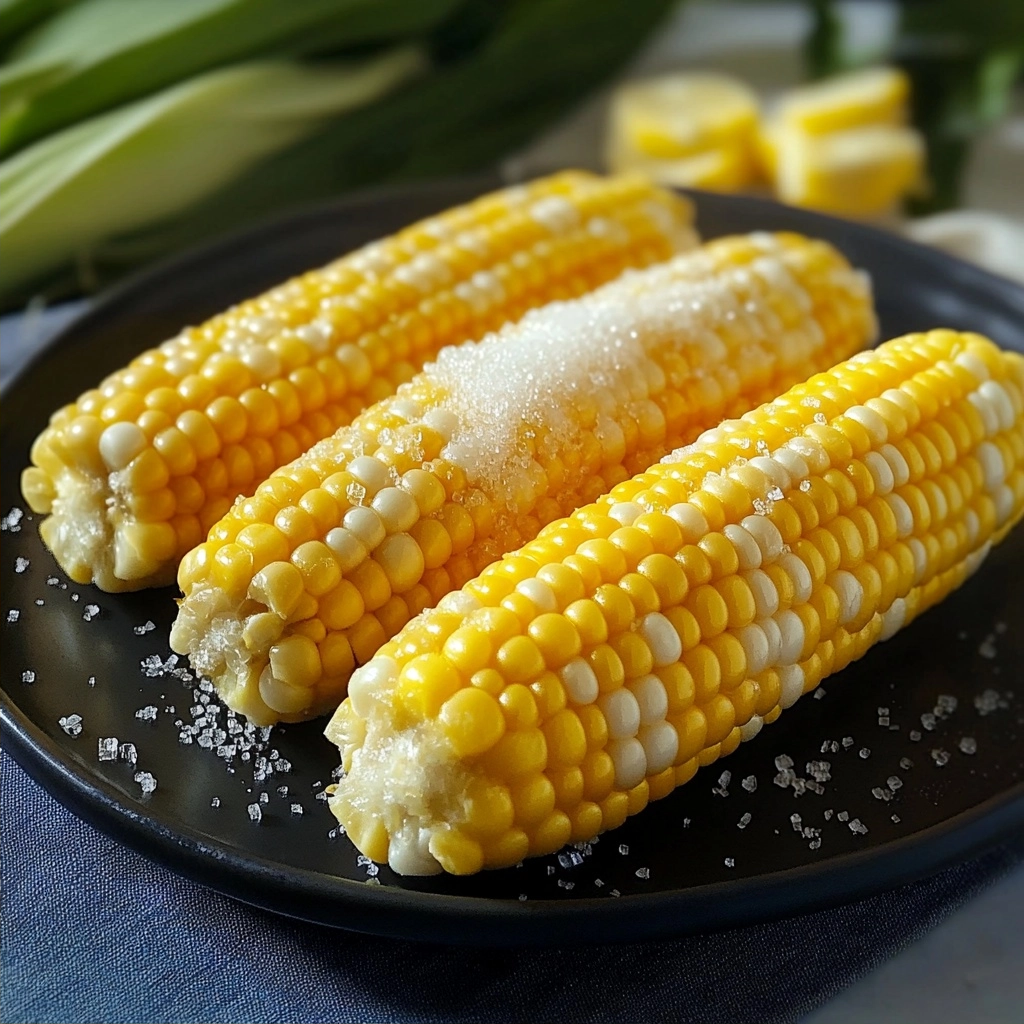
Perfect Corn on the Cob with Lemon Sugar
Ingredients
Method
- Remove husks and silks from corn ears, wiping silk residue with a damp cloth
- Bring 4 cups water to a rolling boil in a large pot
- Add sugar, lemon juice, salt, and black pepper
- Immediately add corn ears to water, return to a simmer
- Cover and cook for exactly 10 minutes
- Drain and brush warm ears with an extra glaze of sugar and lemon juice mixture if desired
- Serve with optional melted butter for added richness
Nutrition
Notes
Adjust sugar to taste depending on corn sweetness
Alternatively serve with a sprinkle of smoked paprika or cilantro
Store leftovers in an airtight container up to 3 days