This recipe delivers perfectly tender meat using a bold spice blend and slow oven roasting method. The final result provides rich flavor textures without requiring a grill or smoker outdoors. Home cooks can achieve professional quality results in their own kitchen easily. The rub creates a deep mahogany color while protecting the meat from drying out completely. We focus on consistency and tenderness above all else for this preparation.
| Detail | Information |
|---|---|
| Prep Time | 15 minutes |
| Cook Time | 2 hours 30 minutes |
| Total Time | 2 hours 45 minutes |
| Servings | 4 to 6 people |
| Difficulty | Medium |
| Cuisine | American BBQ Style |
| Category | Main Course |
| Method | Oven Roasted and Glazed |
Why This Recipe Works
This technique works because low and slow cooking breaks down tough connective tissues effectively. The specific balance of spices penetrates the meat deeply without burning in high temperatures. Oven roasting ensures even heating throughout the rack of meat for consistent results every time. A sweet and spicy rub creates a flavorful crust that holds together well during serving. The final glaze step adds shine and sticky texture that makes the dish appetizing.
We start with a simple dry mixture that coats the meat evenly and protects it from the dry heat. The long cooking time at 250 degrees Fahrenheit allows collagen to convert into gelatin slowly. This process ensures that the meat becomes tender enough to fall off the bone easily. Home cooks appreciate the reliability of this method compared to open fire grilling which varies wildly.
The final brushing step concentrates the flavors on the exterior for maximum visual and taste impact. Sugar content in the rub caramelizes slightly to add a sticky sweetness to the savory profile. This combination balances the heat from the cayenne and chipotle peppers without being overwhelmingly spicy. It appeals to a wide range of palates while still satisfying serious barbecue enthusiasts.
Chef Tips for Perfect Results
Start with high-quality meat that looks fresh and has good marbling for the best outcome.
- Memorize the temperature gauge: Ensure your oven thermometer reads accurately before starting the process.
- Use heavy-duty foil: Regular foil tears easily during the long slow cooking phase of the recipe.
- Prick the meat side: This allows the rub to penetrate deeper into the connective tissue layers.
- Monitor the glaze time: Brushing too early can prevent the sugars from setting properly as a glaze.
- Rest the ribs: Letting them rest for 15 minutes prevents juices from running out immediately.
- Discard cooking juices: The pot liquor often contains excess fat that affects texture on the surface.
- Brush multiple times: Layering sauce builds intensity in flavor for the final bite experience.
- Cut after cooling: Slicing while hot can cause the meat to crumble due to structural weakness.
Common Mistakes to Avoid
Most errors happen when cooking times are underestimated or the temperature is too aggressive.
| Mistake | Why It Happens | How to Fix It |
|---|---|---|
| Cooking at 400 F | High heat dries out the meat too quickly before it tenderizes. | Stick to the 250 F starting temperature for slow breakdown. |
| Using thin foil | Thin foil tears easily causing steam to escape and dry the meat. | Purchase heavy-duty aluminum foil rated for roasting. |
| Skipping the rest | Juices escape immediately when the meat is cut right after cooking. | Allow ribs to sit covered for at least 15 minutes. |
| Skipping the glaze | The surface will look pale and lack the signature sticky texture. | Brush sauce in the final 10 minutes and repeat. |
| Over-salting rub | Salt draws moisture out prematurely and makes the exterior tough. | Follow the specific salt measurements in the spice mix. |
| Overcooking sauce | Sugar burns quickly under high heat turning bitter. | Apply sauce only during the final uncovered cooking phase. |
| Ignoring the fat | Leaving thick layers of fat can make the dish too heavy. | Trim excess hard fat before applying the dry rub. |
Variations and Substitutions
You can adapt this recipe to different dietary needs or flavor preferences with simple swaps.
| Ingredient or Element | Substitution or Variation | Impact on Flavor or Texture |
|---|---|---|
| Beef Short Ribs | Use beef short ribs instead of pork ribs | Changes texture to be chewier and more robust. |
| Smoked Paprika | Replace chipotle pepper with smoked paprika | Reduces heat while adding a smoky wood flavor profile. |
| Honey | Substitute brown sugar with honey in the rub | Adds floral sweetness that complements spices well. |
| Soy Sauce | Add a splash of soy sauce to the glaze | Introduces umami notes to deepen the savory taste. |
| Mustard Yellow | Worcestershire sauce creates a yellow base | Enhances the tangy flavor without adding liquid bulk. |
| Whole Ribs | Cut the rack into three sections before baking | Allows for more even cooking and easier portioning. |
| Gluten Free Barbecue | Use certified gluten free sauce brands | Ensures dietary safety while maintaining similar viscosity. |
| Dry Rub | Omit sugar for a lower calorie option | Reduces stickiness and creates a more savory crust. |
Serving Suggestions and Pairings
Complement the rich meat flavor with sides that provide crunch and freshness.
- Baked beans cooked with bacon-free options for a classic side dish pairing.
- Corn on the cob grilled or boiled with butter and salt seasoning.
- Classic coleslaw with a vinegar base to cut through the richness.
- Macaroni and cheese with a creamy cheddar sauce base.
- Grilled cornbread slices drizzled with honey or butter.
- Sliced tomato salad with fresh basil leaves and balsamic.
- Roasted carrots glazed with a touch of brown sugar.
- Collard greens steamed until tender with garlic and onion.
- Baked potato skins topped with sour cream and chives.
- Fresh garden greens mixed with vinaigrette and citrus.
- Green beans steamed with almonds and lemon zest.
- Rolled dinner rolls buttered warm fresh from the oven.
For a complete meal, choose baked beans and coleslaw on the side to balance the meal. This creates a hearty portion that satisfies large appetites without feeling too heavy. The contrast between hot meat and cool crunchy slaw is a classic combination.
Make Ahead Options
You can prepare the spice rub and even sear the meat a day in advance for convenience. The ribs can be seasoned up to 24 hours ahead of time and stored in the refrigerator. This allows the flavors to infuse deeply into the meat before cooking begins. Ensure the meat is brought to room temperature before placing it in the oven for even cooking. Wrap the seasoned rack tightly in plastic wrap to prevent drying out overnight.
For longer storage, you can cook the ribs through the initial low-temperature phase a few days early. Allow them to cool completely before refrigerating and finishing them just before serving. Simply reheat in the oven at 350 degrees until warm then apply the sauce. This saves significant time on busy weeknights while keeping the quality high. The texture remains consistent even after the make-ahead process is complete.
Storage and Reheating
Proper storage ensures leftovers remain safe to eat and retain their quality for later meals.
| Method | Duration | Instructions |
|---|---|---|
| Room Temperature | 2 hours | Store in a covered dish away from direct sunlight. |
| Refrigerator | 4 days | Place in an airtight container or wrap tightly in foil. |
| Freezer | 3 months | Wrap in double layers of heavy-duty foil or freezer bags. |
| Reheating | 10 to 15 minutes | Cover and bake at 325 F to keep moisture high. |
| Make Ahead | 24 hours | Season and refrigerate before the first cooking stage. |
Nutritional Information
Approximate values are based on one serving and may vary depending on exact ingredients and portion size.
| Nutrient | Amount per Serving |
|---|---|
| Calories | 350 |
| Protein | 28 grams |
| Fat | 22 grams |
| Saturated Fat | 9 grams |
| Carbohydrates | 12 grams |
| Fiber | 1 gram |
| Sugar | 9 grams |
| Sodium | 800 milligrams |
Frequently Asked Questions
How do I know when ribs are fully cooked?
The meat should pull back from the bones easily when cooked to the proper temperature. Use a meat thermometer to check that the internal temperature reaches 195 degrees. If the meat does not bend easily, it needs more time in the oven.
Can I use a different type of barbecue sauce?
Yes, you can use any sauce that you enjoy for this preparation style. Honey mustard or dry rubs work well as alternatives to traditional tomato sauce. Just ensure the sugar content is not too high to avoid burning.
Why are my ribs tough instead of tender?
This usually happens if the oven temperature was too high for cooking time. You must cook low and slow to break down the collagen in the meat effectively.
Is this dish suitable for meal prep?
Absolutely, the ribs hold up very well when reheated for lunch the next day. You can make a large batch on Sunday to last through the week.
How do I keep the baby back ribs from drying out?
Searing them in foil traps moisture and prevents evaporation during the long cook. Make sure the seal is tight so no steam escapes the package during roasting.
Can I freeze the uncooked seasoned ribs?
Yes, you can freeze them after applying the dry rub but before baking. Freeze them individually to make thawing easier for individual meal portions.
Conclusion
This baby back ribs recipe offers a reliable and delicious option for family dinners. The low and slow method guarantees tender meat and rich flavor in every bite. You can expect a tender texture and savory sweet finish that satisfies everyone at the table. Try this recipe out once to experience the simplicity of great comfort food at home.
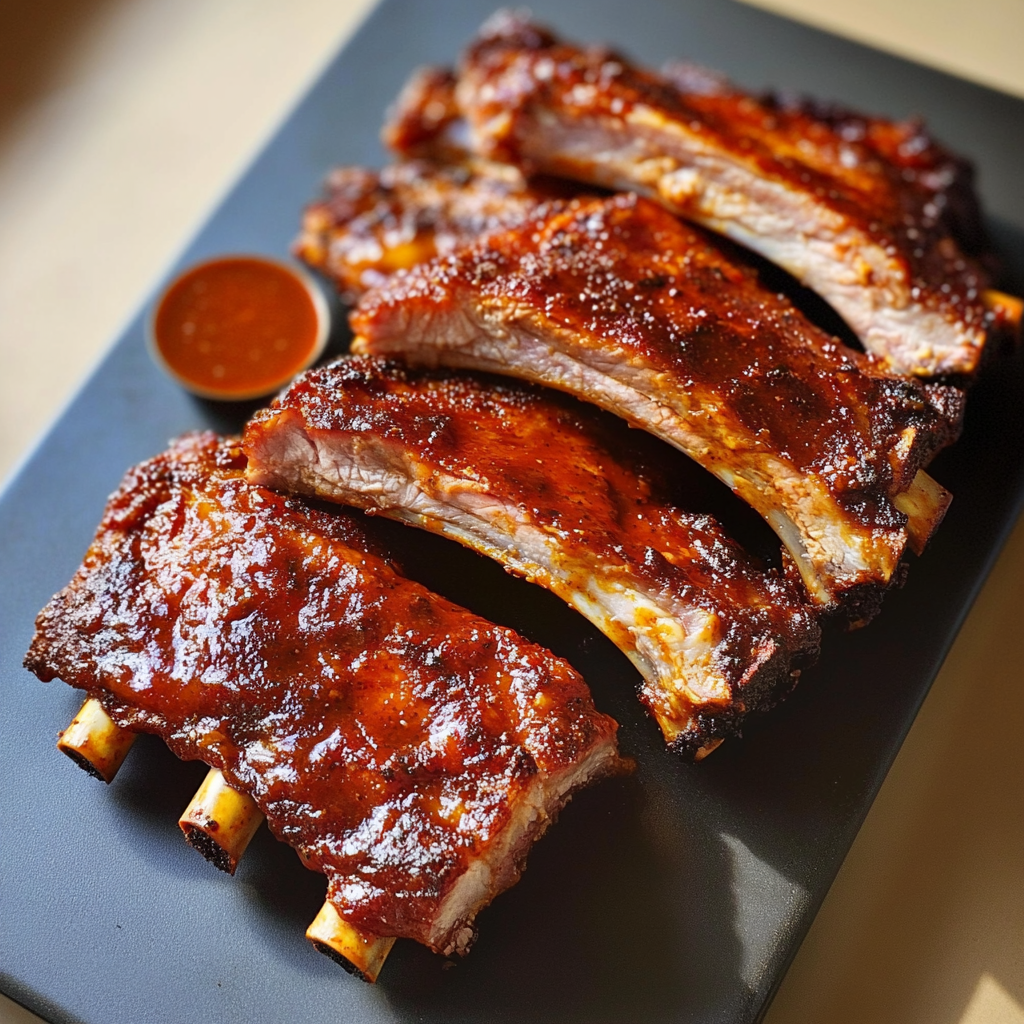
Tender Lamb Ribs Rub and Cooking Technique
Ingredients
Method
- Preheat oven to 250°F (120°C)
- Pat lamb ribs dry with paper towels
- In a bowl, mix paprika, garlic powder, onion powder, brown sugar, salt, pepper, cayenne, and chipotle
- Coat both sides of ribs evenly with rub
- Place on a large piece of heavy-duty foil (shinny side up)
- Seal foil tightly, forming a packet
- Roast for 2 hours, opening packet halfway to baste with juices
- Uncover and brush apricot jam mixed with apple cider vinegar
- Return to oven for 30 minutes until glazed and caramelized
- Let rest 10 minutes before slicing
Nutrition
Notes
For optimal glaze, apply last 10 minutes of cooking
Allow lamb to cool to room temperature before seasoning
Consider using a meat mallet to even out rib thickness