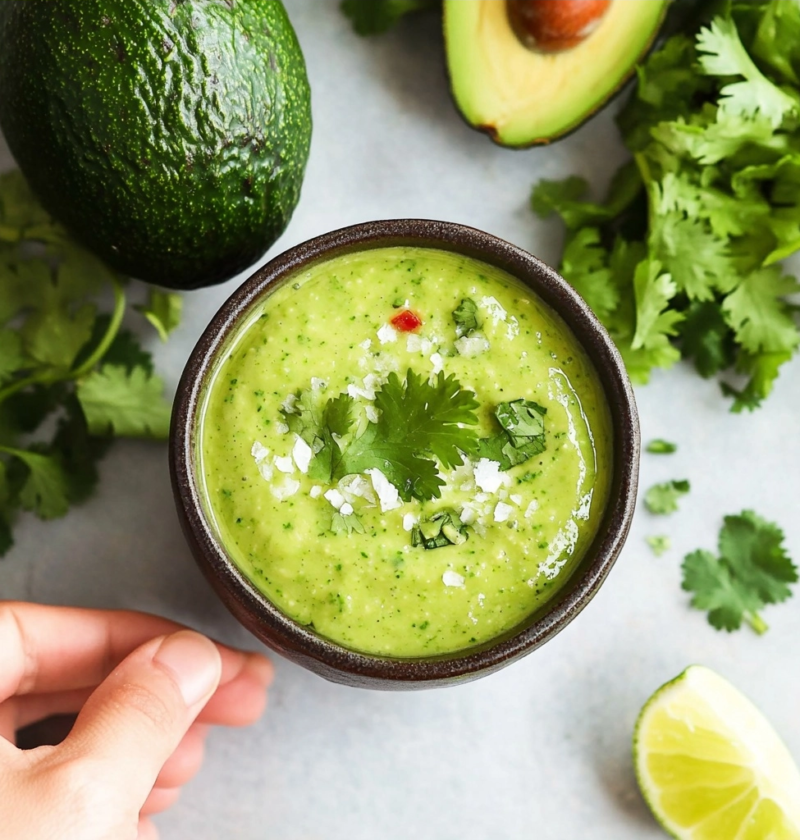
This refreshing Avocado Lime Dressing delivers a rich, velvety texture and bright citrus flavor perfect for any fresh salad. The simplicity of the ingredients allows the natural creaminess of ripe avocados to shine alongside sharp limes and aromatic herbs. You will enjoy this healthy condiment that elevates simple greens into a satisfying meal in minutes.
| Detail | Information |
|---|---|
| Prep Time | 10 minutes |
| Cook Time | 0 minutes |
| Total Time | 10 minutes |
| Servings | 8 servings |
| Difficulty | Easy |
| Cuisine | Fusion |
| Category | Sauce & Dressing |
| Method | Blender |
Why This Recipe Works
This recipe works because the emulsion of avocado, olive oil, and lime juice creates a stable and incredibly smooth consistency without needing dairy or sugar. The balance of fat from the avocado pairs perfectly with acid from the lime to coat every leaf of greens without clumping. I have found that using ripe avocados ensures the dressing flows easily without being too thick or gummy.
The addition of fresh cilantro provides a distinct herbal background that compliments the citrus without overwhelming the palate. Fresh garlic adds a necessary depth and savory kick that mimics the profile of a ranch dressing but in a much healthier format. Many traditional dressings rely on mayonnaise for creaminess, while this version uses the natural oils of the avocado to achieve similar results.
It also works because it requires minimal effort to execute correctly using a food processor or high-speed blender. You simply combine all items and blend until the color turns a uniform light green. This speed makes it an ideal option for busy weeknight dinners when you need to assemble a fresh salad quickly without heavy prep work.
Chef Tips for Perfect Results
Avoid using avocados that are too hard or too mushy, as both will negatively impact the emulsion process.
- Choose the right ripeness: Gently squeeze the avocado to ensure it yields slightly to pressure but is not brown or browned inside.
- Water is your friend: If the mixture is too thick, add water one tablespoon at a time until you achieve your desired pourability.
- Temperature matters: Use room temperature ingredients if possible to prevent the avocado from seizing up in a cold blender cup.
- Blending time: Blend for at least 60 seconds to ensure no chunks of avocado or garlic remain in the final smooth sauce.
- Acid balance: Taste the dressing before serving and add more lime juice if the flavor feels too flat or bland.
- Seasoning depth: Add a pinch of cayenne pepper or red pepper flakes if you desire a subtle kick of heat alongside the citrus.
- Freshness guarantee: Squeeze your own lime juice rather than using bottled versions to prevent bitterness in the finish.
- Cilantro choice: Use the leaves and tender stems only to avoid any woody texture that might alter the smooth mouthfeel.
Common Mistakes to Avoid
This avocado-based sauce can fail if you do not follow specific blending techniques or selection criteria for your base ingredients.
| Mistake | Why It Happens | How to Fix It |
|---|---|---|
| Grainy Texture | Using underripe fruit or not blending long enough. | Scrape down the sides and blend for an additional thirty seconds. |
| Brown Color | Avocado oxidizes quickly once the skin is removed. | Blend immediately and add more lime juice to act as a preservative. |
| Too Thick | Insufficient water or olive oil during the process. | Slowly stream in cool water until the density is satisfactory. |
| Garlic Overpower | Adding too many cloves or using raw garlic. | Start with one clove and mash it until it is incorporated first. |
| Flavor Flatness | Under-seasoning the base mixture with salt and pepper. | Taste frequently and season generously until it pops. |
| Separation | Storing the dressing without enough emulsification agents. | Shake well before each use or blend again if stored. |
Variations and Substitutions
You can easily adapt this dressing to fit specific dietary needs or flavor profiles while keeping the core creamy texture intact.
| Ingredient or Element | Substitution or Variation | Impact on Flavor or Texture |
|---|---|---|
| Cilantro | Swap for fresh parsley or basil leaves. | Changes the herbal profile to be milder or sweeter without loss of color. |
| Lime Juice | Use fresh lemon juice instead of citric acid. | Provides a slightly warmer citrus profile that works well with chicken. |
| Olive Oil | Use melted coconut oil instead of liquid oil. | Will alter the texture if the room is cool to a semi-solid state. |
| Avocado | Use half avocado and half Greek yogurt. | Increases protein content and adds tanginess suitable for a ranch style. |
| Garlic | Use garlic powder instead of fresh cloves. | Gives a more uniform savory flavor without chunks of texture. |
| Water | Use unsweetened plant milk to thin the mixture. | Can make the creamy texture richer and slightly thicker than water alone. |
| Heat | Add diced jalapeño or green chilies. | Introduces a spicy element that pairs well with Mexican-style salads. |
| Dish Use | Add more water to make a soup base. | Transforms the dressing into a cold soup known as Aguacatillo. |
| Dietary | Use vegan mayo instead of olive oil. | Changes the flavor profile to be more emulsified and tangy. |
Serving Suggestions and Pairings
This dressing pairs exceptionally well with crunchy vegetables, hearty proteins, and grain bowls for a complete meal experience.
- Nutrient-dense kale and spinach green salad with quinoa.
- Roasted sweet potato slices topped with chopped peanuts.
- Chicken tacos with shredded cabbage and black beans.
- Warm black bean bowls with corn, rice, and peppers.
- Nacho platter with ground turkey and diced tomatoes.
- Burrito bowls with sautéed zucchini and peppers.
- Simple sliced tomato salad with fresh herbs.
- Cucumber ribbons with radishes and red onion.
- Brown rice salad with black beans and corn.
- Pasta salad with rotini and roasted red peppers.
- Grilled shrimp skewers with a side of lettuce.
- Baked salmon fillet with asparagus and rice.
Consider serving this alongside a protein-rich taco bowl to create a complete dinner that satisfies both your hunger and your nutritional goals. The creaminess of the dressing makes even simple steamed vegetables feel indulgent and flavorful without relying on heavy fats or processed ingredients.
Make Ahead Options
You can prepare the dressing up to three days in advance, but storage requires specific steps to maintain the bright green color and flavor.
The avocado content means oxidation is the main enemy, so storing the dressing in an air-tight container with a layer of plastic wrap touching the surface will help prevent browning. When you mix the ingredients, the lime juice acts as an antioxidant to some degree, which gives you a small window of time where it stays fresh.
I recommend placing the dressing tightly covered in the refrigerator and bringing it back to room temperature before serving to restore fluidity. If the texture thickens too much during storage, you can simply stir in a splash of water and re-whisk to thin it out.
Storage and Reheating
Proper storage is essential for food safety and preserving the fresh qualities of the emulsified avocado mixture.
| Method | Duration | Instructions |
|---|---|---|
| Room Temperature | 1 hour max | Avoid leaving the dressing out, as avocado spoils quickly. |
| Refrigerator | 3 to 5 days | Store in a sealed glass jar with plastic wrap on top of liquid. |
| Freezer | 1 month | Freezing is not recommended as the texture may separate upon thawing. |
| Reheating | N/A | Do not heat the dressing as it will curdle and lose emulsion. |
| Make Ahead | 3 days | Add a fresh squeeze of lime juice before serving to refresh flavor. |
Nutritional Information
Approximate values are based on one serving and may vary depending on exact ingredients and portion size.
| Nutrient | Amount per Serving |
|---|---|
| Calories | 140 calories |
| Protein | 1.5 grams |
| Fat | 13 grams |
| Saturated Fat | 2 grams |
| Carbohydrates | 6 grams |
| Fiber | 3 grams |
| Sugar | 1 gram |
| Sodium | 15 milligrams |
Frequently Asked Questions
Is Avocado Lime Dressing gluten-free?
Yes, this salad dressing is naturally gluten-free since it contains no wheat products or barley. All the ingredients listed in this recipe are safe for a strict gluten-free diet plan.
Can I use frozen avocados?
Thawed frozen avocado can work, but you must drain the excess water first to prevent diluting the emulsion. Fresh avocados are preferred because they blend into a creamier texture immediately.
Why did my dressing turn green?
The avocado will turn brown due to oxidation, but adding lime juice helps prevent this. Blend in a splash more lime juice to restore the vibrant green color to the mixture.
Can I substitute olive oil?
Yes, you can substitute avocado oil or grapeseed oil for a neutral flavor profile. This works well if you wish to minimize the fruity notes of extra virgin olive oil.
How thick should the dressing be?
The ideal consistency is creamy but pourable, similar to a heavy cream or ranch dressing. You can adjust the water content to control thickness to your exact preference.
Does this dressing store well?
It stores well in the refrigerator for up to three days if sealed properly. Always stir or shake before use to reincorporate any separated oils.
Conclusion
Making this Avocado Lime Dressing at home gives you control over the quality of ingredients and eliminates unwanted preservatives. You will quickly find it becomes a staple in your refrigerator for its unmatched creaminess and fresh citrus flavor. Enjoy the healthy comfort of a homemade dressing that transforms your everyday salad into a gourmet experience.
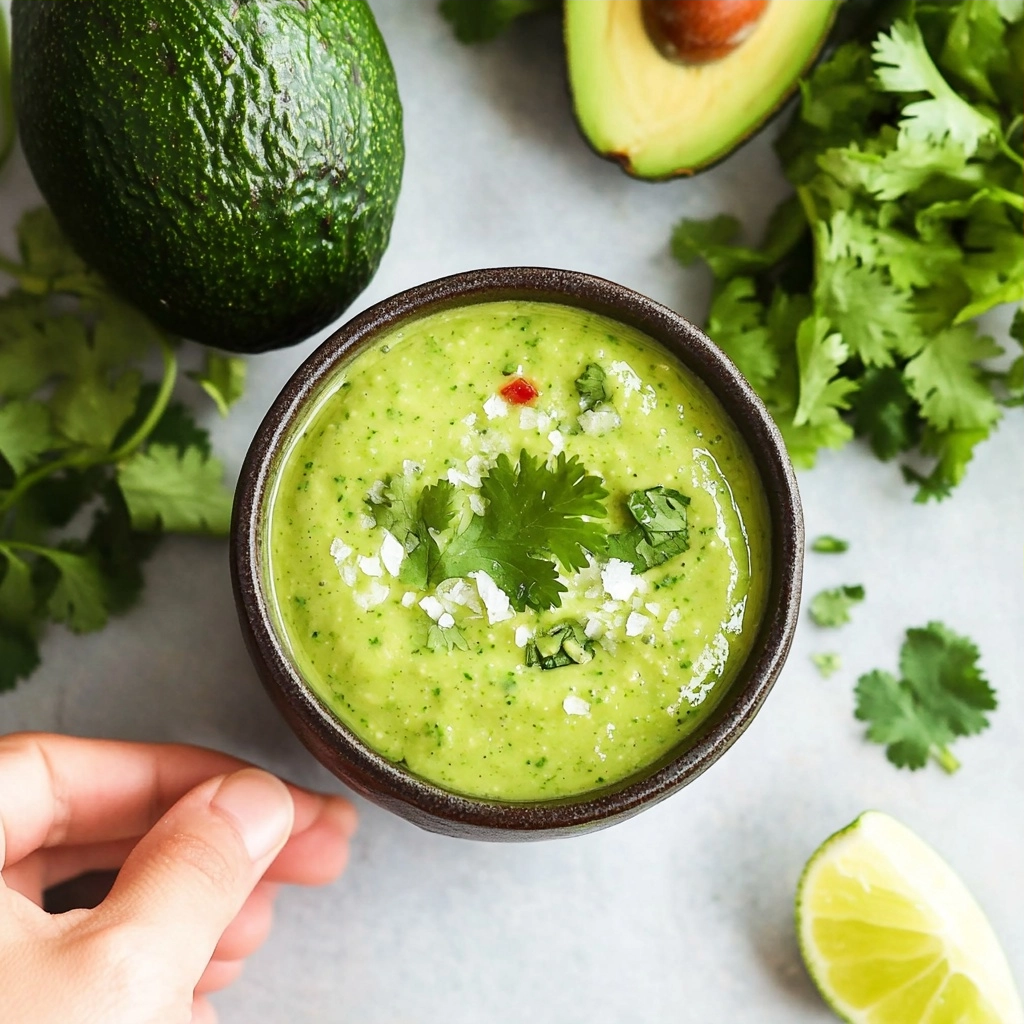
The Best Creamy Avocado Lime Dressing
Ingredients
Method
- Peel and pit the avocados.
- In a blender or food processor, combine the avocados, lime juice, olive oil, garlic, and cilantro.
- Blend until smooth and creamy, stopping to scrape down the sides as needed.
- Add honey or agave nectar and blend again.
- Taste and add salt as needed.
- If the dressing is too thick, add water one tablespoon at a time until desired consistency is achieved.
Nutrition
Notes
For a smoother texture, process for at least 60 seconds.
Store in an airtight container in the refrigerator for up to 2 days. Add a splash of water if it thickens too much.