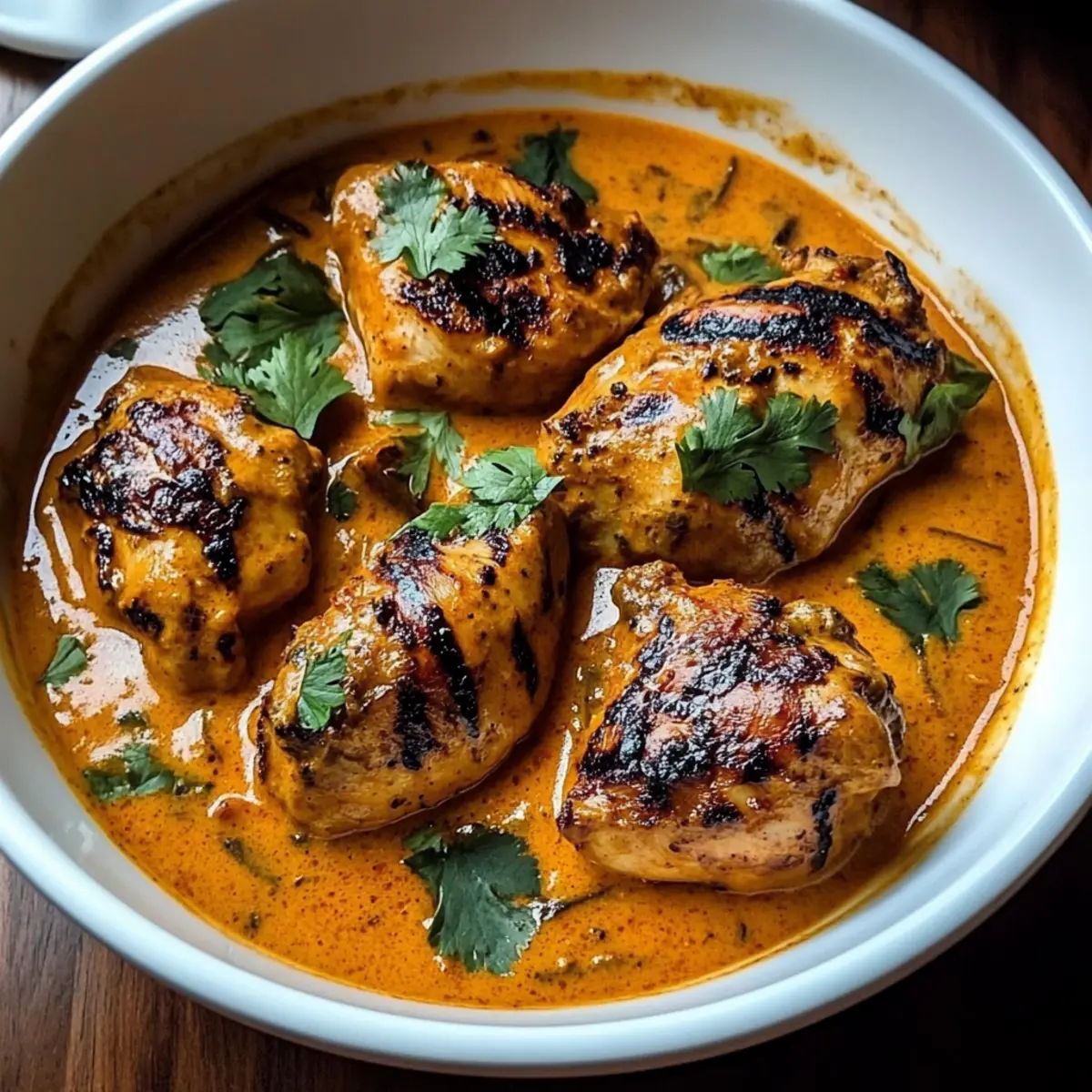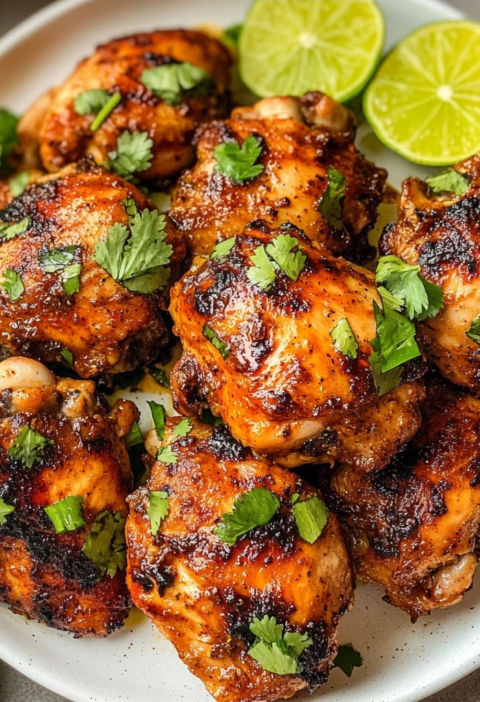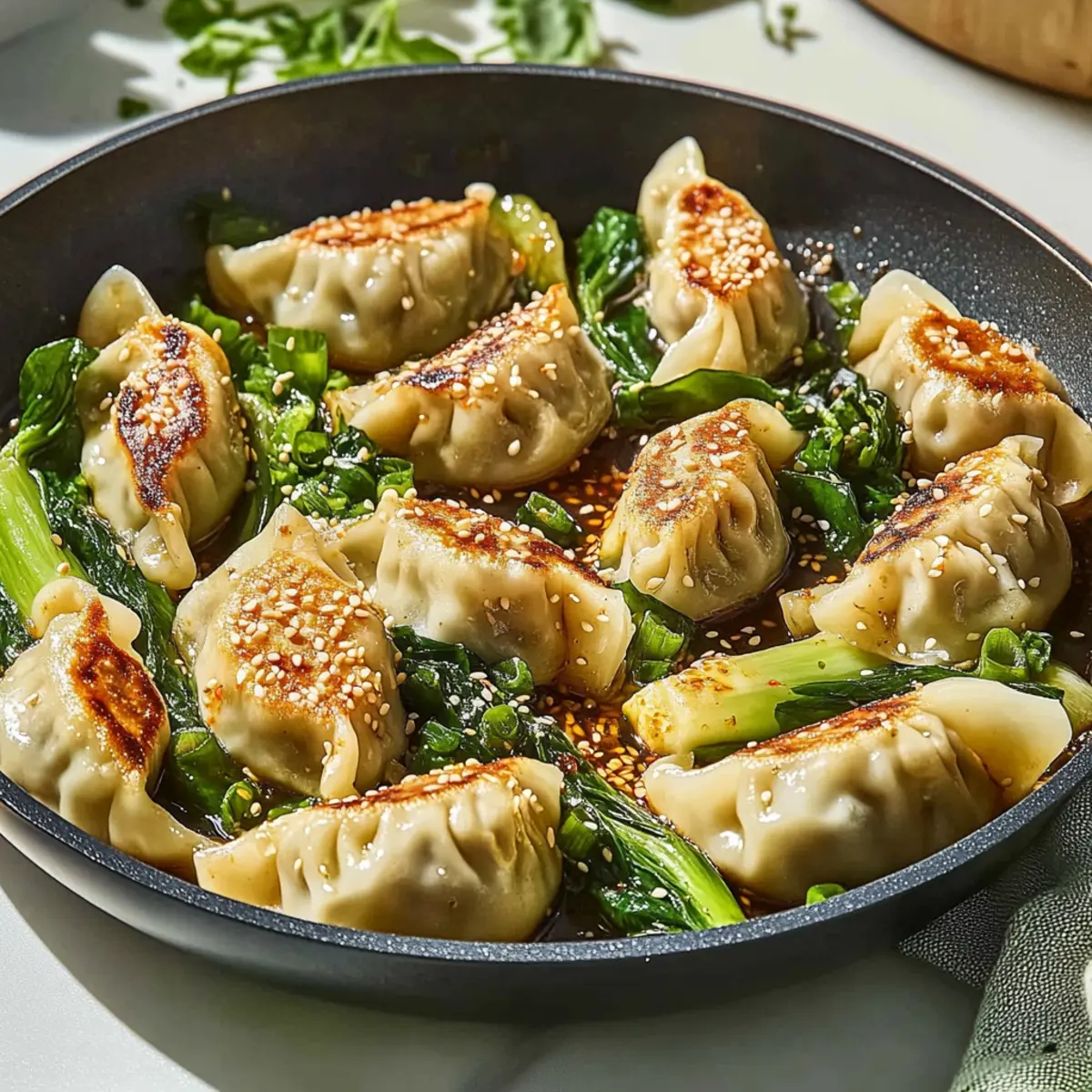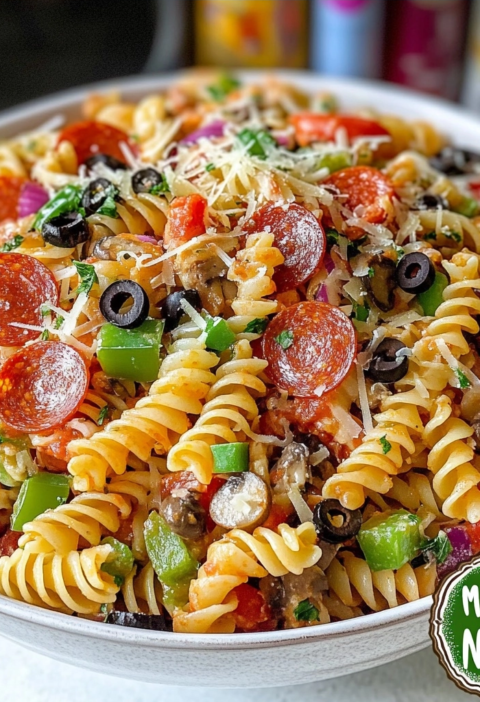
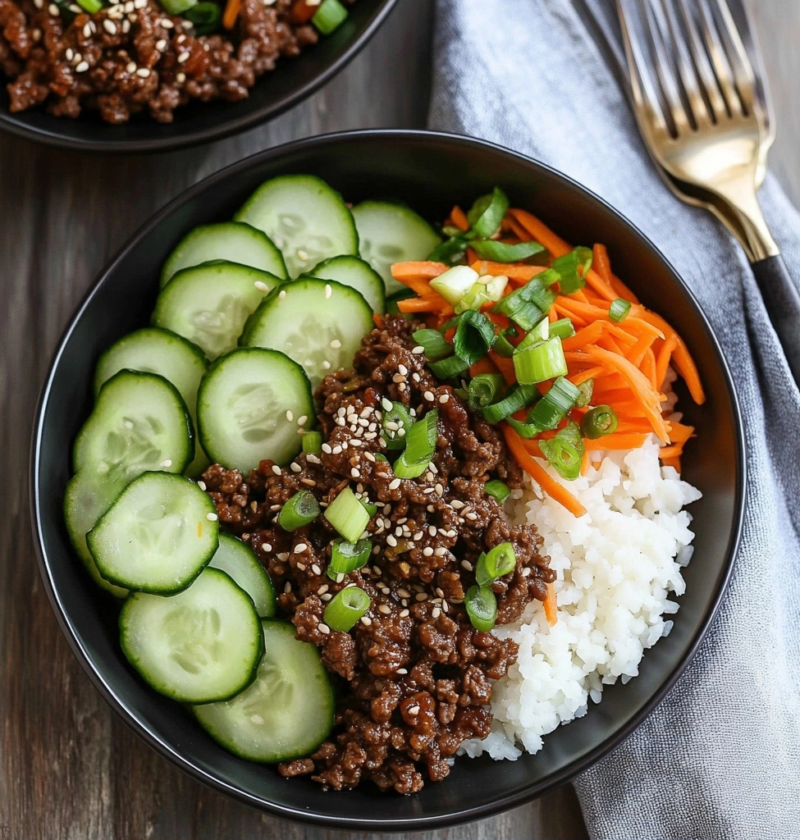
Quick and delicious Korean Beef Cucumber Bowls offer a flavorful Asian-inspired meal ready in under thirty minutes. This healthy dish combines savory ground beef with fresh, crunchy cucumbers for a satisfying dining experience. Perfect for busy weeknights, these bowls deliver bold flavors while keeping calorie counts low and nutrition high.
| Detail | Information |
|---|---|
| Prep Time | 15 minutes |
| Cook Time | 15 minutes |
| Total Time | 30 minutes |
| Servings | 4 |
| Difficulty | Easy |
| Cuisine | Korean |
| Category | Main Dish |
| Method | Sautéed |
Why This Recipe Works
These Korean Beef Cucumber Bowls work because they balance rich meat flavors with the refreshing crispness of fresh vegetables for a complete meal in one pot. The recipe relies on quick-cooking ground beef that absorbs the savory soy-based sauce perfectly without becoming dry. Fresh ingredients like cucumbers and carrots add necessary texture contrast to the warm, seasoned beef mixture.
I love this recipe for its simplicity and the fact that it uses pantry staples to create an authentic taste. The cooking process is straightforward, allowing for a flavorful dinner without needing complex techniques or hard-to-find spices. Preparing these bowls ensures a nutritious meal that kids and adults will enjoy together on busy evenings.
Another reason this recipe succeeds is the flexibility for customization based on dietary needs or spice levels. You can easily swap the rice option or adjust the heat with red pepper flakes to match your preferences. This adaptability makes it a reliable choice for weekly meal planning without losing the core flavor profile.
Chef Tips for Perfect Results
Ensuring your Korean Beef Cucumber Bowls taste as intended requires attention to heat control and ingredient preparation.
- Use lean ground beef: Start with 93% lean beef to prevent the dish from becoming too greasy while retaining moisture and flavor.
- Control the heat level: Brown the meat over medium-high heat to get a nice sear before adding the sauce ingredients to the pan.
- Don’t crowd the skillet: Ensure you use a large skillet so the beef browns properly instead of steaming in its own juices.
- Toast sesame seeds: Lightly toast sesame seeds before serving to enhance their nutty aroma and crunch factor significantly.
- Pickle the vegetables: Quick-pickle the carrots and cucumbers in a mixture of vinegar and a pinch of salt for extra tanginess and crunch.
- Divide soy sauce: Use half the soy sauce during the searing phase and save the rest for the finishing sauce for balanced seasoning.
- Serve hot immediately: These bowls taste best when served right off the stove while the beef retains its steam and warmth.
- Adjust sweetness: Taste the sauce before serving and add more honey if you prefer a sweeter profile similar to restaurant versions.
Common Mistakes to Avoid
Most people make easily correctable errors that can affect the taste and texture of the finished beef bowl.
| Mistake | Why It Happens | How to Fix It |
|---|---|---|
| Greasy Beef | Using ground beef with too high fat content or draining improperly. | Select 93% lean beef and drain excess fat after browning but before adding sauce. |
| Dry Meat | Cooking the beef too long at high temperatures after sauce addition. | Add sauce only once beef is browned and simmer for exactly two minutes. |
| Soggy Vegetables | Adding cucumbers to hot beef without preparation or timing. | Add raw or pickled cucumbers on top right before serving to maintain crunch. |
| Bland Taste | Under seasoning the beef mixture with insufficient soy sauce or aromatics. | Taste and adjust salt, soy sauce, and red pepper flakes to preference. |
| Weak Aroma | Using old or low-quality ginger and garlic without fresh preparation. | Always mince fresh ginger and garlic for a pungent, aromatic kick. |
Variations and Substitutions
You can easily adapt this recipe to fit various dietary restrictions or personal flavor preferences without losing quality.
| Ingredient or Element | Substitution or Variation | Impact on Flavor or Texture |
|---|---|---|
| Ground Beef | Ground Turkey or Chicken | Leaner texture with milder flavor requiring extra spices. |
| Rice | Cauliflower Rice | Lowers carbohydrates significantly while keeping volume high. |
| Soy Sauce | Coconut Aminos | Slightly sweeter and gluten-free alternative for dietary needs. |
| Honey | Maple Syrup | Adds a woodsy sweetness and suits vegan adaptations when using agave. |
| Cucumber | Jalapeños or Bell Peppers | Introduces more spice and crunch depending on the pepper type used. |
| Red Pepper Flakes | Sriracha or Gochujang | Boosts heat level and adds complex fermented spice depth. |
| Scallions | Chives | Provides a more delicate onion flavor with a similar visual garnish. |
| Sesame Oil | Canola or Vegetable Oil | Loss of nutty aroma but maintains frying capability for sauce. |
| Serving Base | Shirataki Noodles | Ultra-low calorie option that absorbs sauce well for a noodle bowl feel. |
Serving Suggestions and Pairings
These beef bowls work best when paired with complementary side dishes and beverages that round out the meal.**
- Steamed broccoli with a side of sesame dressing.
- A simple cucumber salad dressed with rice vinegar and salt.
- Kimchi to add fermentation and sharp spice to the meal.
- Edamame beans sprinkled with sea salt for a protein boost.
- Hot green tea or barley tea to cleanse the palate.
- Sparkling water with lime slices to refresh the mouth.
- Sweet and sour cabbage slaw for texture contrast.
- Warm Korean soybean paste soup as a lighter side alternative.
For a complete dinner experience, serve the beef over a bed of brown rice or quinoa with a side of miso soup to warm up the stomach. This creates a balanced Korean-style dinner that feels hearty and comforting without being too heavy. The combination of warm meat and cool vegetables provides a satisfying temperature contrast that is very enjoyable.
Make Ahead Options
Yes, you can prepare parts of this recipe ahead of time to save effort on busy weeknights. The beef mixture can be cooked and cooled up to 24 hours in advance with the sauce already infused into the meat.
You should store the beef in an airtight container in the refrigerator to maintain freshness and prevent bacterial growth. When ready to serve, reheat the beef gently on the stovetop or in the microwave until steaming hot. Prepare fresh vegetables like cucumbers and scallions right before serving to ensure maximum crunch and vibrant color.
Storage and Reheating
Safety and quality dictate how you store leftovers to prevent spoilage or texture degradation.
| Method | Duration | Instructions |
|---|---|---|
| Room Temperature | 2 Hours | Do not leave cooked beef out longer than two hours to avoid bacteria growth. |
| Refrigerator | 3 to 4 Days | Store beef in a sealed airtight container. Refrigerate vegetables separately for best crunch. |
| Freezer | 2 Months | Cool completely before freezing in portioned bags. Thaw in the refrigerator overnight. |
| Reheating | 2 Minutes | Microwave on high or heat in a skillet with a splash of water to prevent sticking. |
| Make Ahead | 1 Day | Pre-cook beef, store separately from rice, assemble when serving for best texture. |
Nutritional Information
Approximate values are based on one serving and may vary depending on exact ingredients and portion size.
| Nutrient | Amount per Serving |
|---|---|
| Calories | 350 kcal |
| Protein | 30g |
| Fat | 15g |
| Saturated Fat | 5g |
| Carbohydrates | 18g |
| Fiber | 3g |
| Sugar | 10g |
| Sodium | 680mg |
Frequently Asked Questions
Can I substitute the ground beef with another protein?
You can substitute ground beef with ground turkey or chicken for a leaner alternative. Plant-based ground crumbles also work if you want a vegetarian option for Korean Beef Cucumber Bowls. Adjust cooking times slightly to ensure the new protein is fully cooked through safely.
How long should I cook the ground beef?
Cook the ground beef over medium-high heat for about 10 minutes until no longer pink inside. You should break it into small pieces as it cooks to ensure even browning and texture. Once browned fully, add the remaining ingredients to the pan for the short cooking phase.
Why is my beef sauce too watery?
A watery sauce usually happens if you add too much liquid or cook for too long before adding the sauce. Ensure you use low-sodium soy sauce rather than thin sauces and reduce the heat when simmering. Let the sauce thicken by reducing it on the stove for a minute or two to fix consistency.
Is this recipe suitable for meal prep?
This recipe is highly suitable for meal prep as the beef stores well for several days in the fridge. Store the components separately to keep vegetables crisp and rice fluffy before combining them. This separation ensures every meal maintains quality throughout the week.
Can I add spicy elements to this dish?
Yes, you can add sriracha, gochujang, or extra red pepper flakes to increase the spice level. Taste the dish before serving and add heat gradually to avoid making it too potent. The Korean flavor profile pairs exceptionally well with moderate heat from fresh peppers.
How do I store leftovers safely?
Refrigerate leftovers in airtight containers for up to four days in the refrigerator. Always reheat food thoroughly until it reaches a steaming hot temperature to kill potential bacteria. Do not leave cooked beef out at room temperature for more than two hours.
Conclusion
These Korean Beef Cucumber Bowls provide a quick, flavorful, and nutritious dinner solution for any night of the week. The combination of savory beef, fresh vegetables, and aromatic sauce creates a dish that satisfies hunger without heavy calories. You will love the ease of preparation and the bold taste profile that defines this healthy meal.
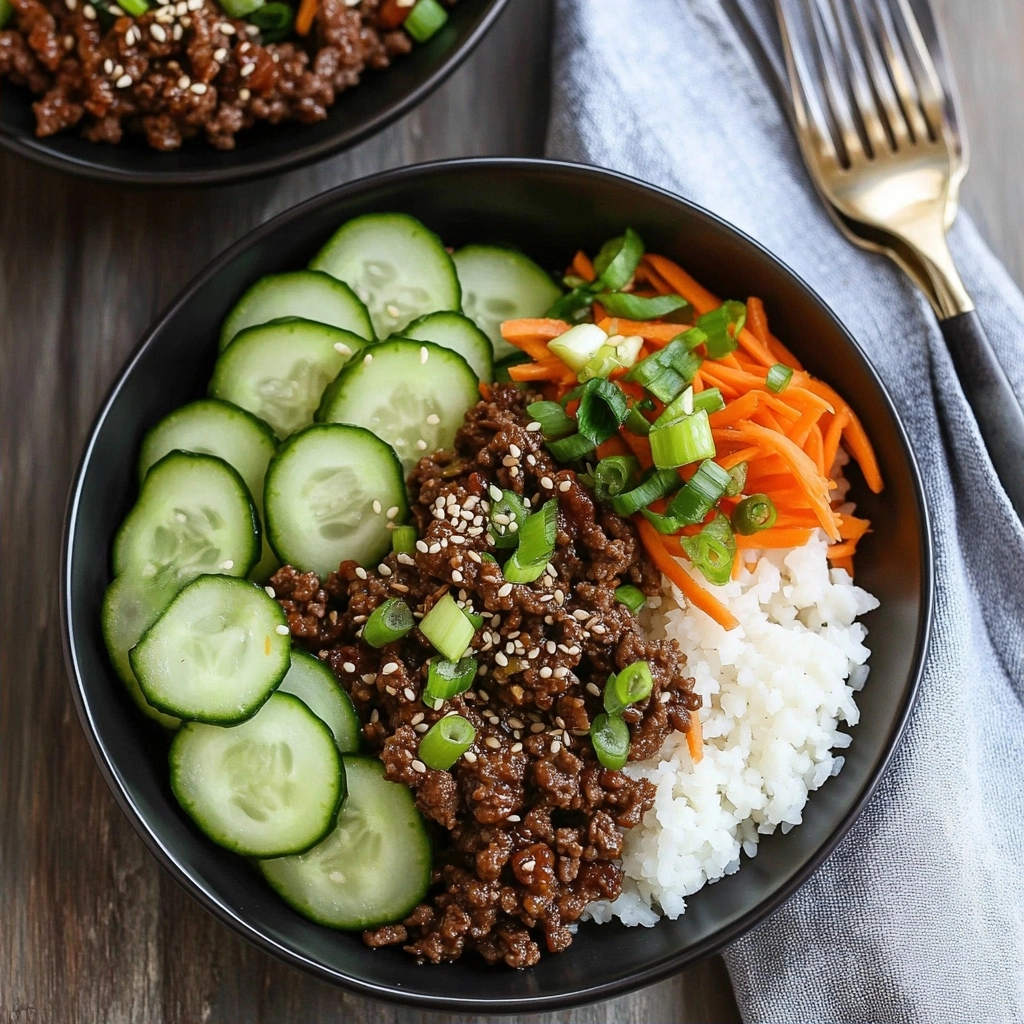
Korean Beef Cucumber Bowls
Ingredients
Method
- Heat a large skillet over medium-high heat and brown the ground beef until seared, breaking it into small pieces with a spoon.
- Cook the beef until no pink remains, then drain excess fat.
- Add garlic and ginger to the skillet, sauté for 1 minute.
- Mix in soy sauce, gochujang, rice vinegar, and honey; simmer for 3-5 minutes.
- While cooking beef, blanch cucumber slices and carrots in boiling water for 1-2 minutes or cook separately in a pan with sesame oil.
- Assemble bowls by dividing cooked rice into four, topping with beef mixture, blanched veggies, and garnish.
- Toasted sesame seeds and sliced green onion complete the bowls.
Nutrition
Notes
Adjust spiciness with additional red pepper flakes.
Cook rice ahead of time to manage time efficiently.
To toast sesame seeds, heat in a dry skillet over medium heat until fragrant (about 2 minutes).
For a lighter option, skip pickled vegetables or use non-alcoholic alternatives like apple cider vinegar in marinades.